
Pentameris airoides
Pentameris airoides
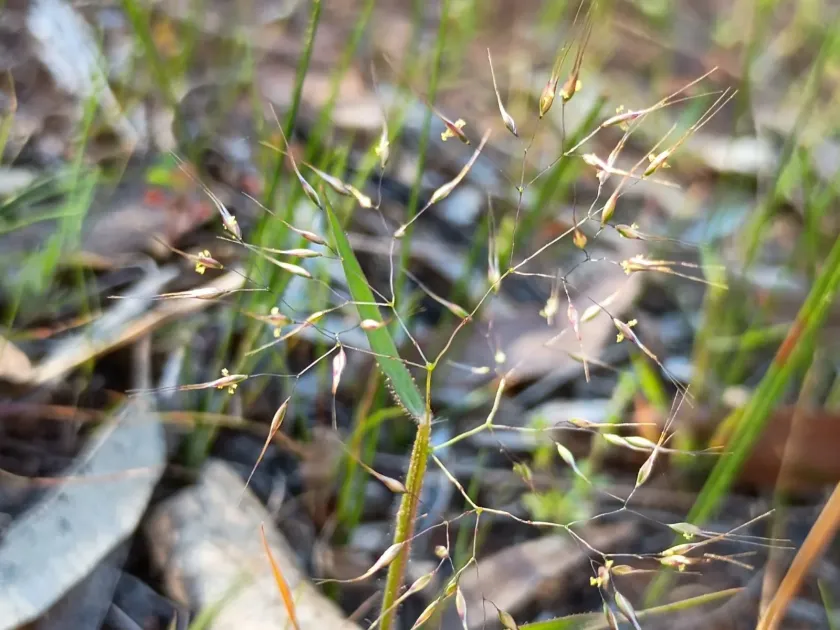
Description
Growing requirements
Pentameris airoides is a perennial grass belonging to the Poaceae family, primarily native to the Southern African region. This species is widely recognized for its ability to thrive in challenging environments where other forage crops might struggle.
The plant exhibits remarkable adaptability to nutrient-poor soils, including those with high sand content or rocky compositions. Its root system is deep and efficient, enabling the plant to survive extended drought periods typical of its native range.
Botanically, it is characterized by narrow leaves and delicate panicle inflorescences. The plant grows in dense tufts, a structural feature that helps it withstand grazing pressure and protects the soil from erosion in arid climates.
Environmental requirements for Pentameris airoides include a high exposure to sunlight. It is a light-demanding plant, and any degree of shading significantly reduces its biomass production, rendering it unsuitable for integrated silvopastoral systems.
In terms of agricultural utilization, it is predominantly used as a stable forage source for livestock on extensive pastures. While it may not provide the high yields of temperate grasses, its persistence makes it a valuable asset in arid agriculture.
Main diseases and pests
The primary threats to Pentameris airoides involve soil-borne fungal pathogens which become problematic during excessive moisture conditions. Poor drainage remains the most significant risk factor for plant mortality.
Pests typical for the Poaceae family, including various species of grass aphids and stalk borers, can reduce leaf area and overall plant vigor. Early detection through regular field scouting is essential for managing pest outbreaks effectively.
Rust diseases pose a periodic threat, especially when high humidity coincides with elevated temperatures. Maintaining appropriate plant density is crucial to ensure good airflow and reduce the incidence of fungal spores settling on the foliage.
Weed competition is particularly detrimental during the establishment phase of the plant. Since it is a slow-growing grass, protective measures against faster-growing invasive species are necessary during the early stages of development.
Improper grazing management represents a biological threat, as overgrazing can lead to the depletion of root reserves, causing the plants to become susceptible to opportunistic diseases and environmental stress.