
Pentaclethra macrophylla
Pentaclethra macrophylla
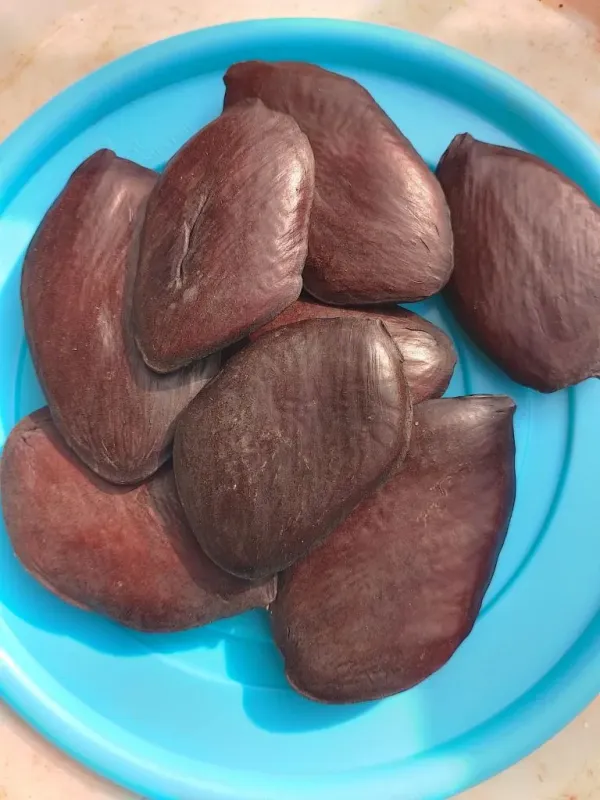
Description
Sowing dates
Pentaclethra macrophylla is propagated primarily via seeds, which are known to have a short viability period and must be sown shortly after harvesting.
To improve germination rates, seeds often undergo mechanical scarification of the hard seed coat to allow for faster water absorption.
Nursery planting involves using well-drained, nutrient-rich soil in containers while maintaining consistent moisture and partial shade for seedlings.
Transplanting to the permanent field site should ideally occur during the beginning of the rainy season to facilitate deep root development.
Recommended spacing for plantation establishment ranges from 6 to 10 meters between trees to ensure adequate canopy space for mature development.
Growing requirements
As a member of the Fabaceae family, this tree thrives in the humid tropical climates of Central and West Africa, preferring stable temperatures.
The crop requires deep, fertile, and well-drained soils, as it is susceptible to root rot if water stagnation occurs in the root zone.
High rainfall is essential for optimal growth, as the species is not well-adapted to prolonged drought conditions or arid environments.
The tree benefits from full sun exposure once established, although seedlings require protection from intense direct sunlight in their early growth stages.
It maintains symbiotic relationships with nitrogen-fixing bacteria, which contributes to overall soil enrichment in agroforestry systems.
Yield
The tree typically begins its productive life cycle between 5 and 8 years after planting, depending on environmental and soil conditions.
The fruit consists of large, woody, flat pods that can grow up to 60 cm in length, containing multiple nutrient-dense seeds.
The seeds are highly valued for their high oil content and protein, serving as a significant food source and oil commodity in local markets.
Besides the seeds, the timber of this species is recognized for its durability and resistance to decay, making it useful for construction.
Yield stability increases as the tree matures, with mature stands providing regular annual harvests under favorable climatic conditions.
Main diseases and pests
Young seedlings are particularly vulnerable to foraging by rodents and localized pests that can damage the developing bark and stems.
Fungal pathogens represent a significant risk, especially in low-lying areas with poor soil drainage, leading to root system decay.
Stem borers may infest the wood of mature trees, reducing the structural integrity and economic value of the harvested timber.
Regular plantation hygiene, including weed control and removal of infected plant material, is essential to minimize disease outbreaks.
Mulching around the base of the trees helps maintain soil health and provides a protective layer against extreme temperature fluctuations.
Harvesting
The harvest period is determined by the maturation of the pods, which turn dark and begin to dehisce naturally on the tree branches.
Harvesting is labor-intensive and performed manually due to the size and weight of the pods, requiring careful handling to prevent seed damage.
Seeds must undergo proper processing, usually boiling or fermentation, to neutralize antinutritional factors before they are safe for consumption.
Sun-drying the seeds after removal from the pods is a critical step to ensure they can be stored for extended periods without rotting.
Stored seeds maintain their quality for oil extraction or as a food source if kept in a cool, dry, and well-ventilated environment.