
Pentaclethra macroloba
Pentaclethra macroloba
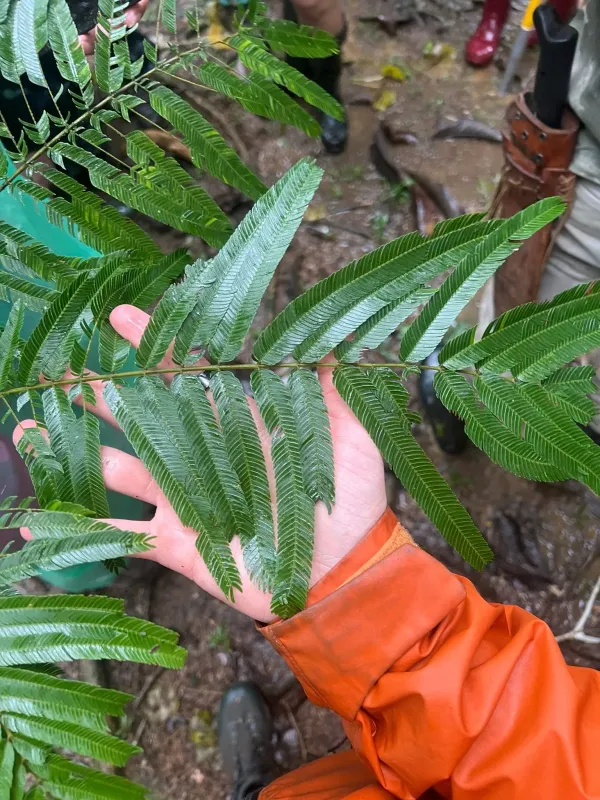
Description
Sowing dates
Pentaclethra macroloba is a robust tropical tree, and its propagation is typically initiated at the onset of the rainy season to ensure optimal soil moisture levels for young seedlings. Establishing a nursery system is the most effective method, allowing saplings to develop strong root systems before field transplantation.
Seeds are known for their hard seed coats, requiring mechanical or chemical scarification to break dormancy and ensure uniform germination. In nursery conditions, seeds are sown in nutrient-rich, well-draining substrate, maintained under controlled temperatures between 25 and 30 degrees Celsius.
Once saplings reach a height of approximately 40-60 centimeters, they are ready for planting in their permanent location. Proper planning of the planting density, typically around 6 to 8 meters apart, is crucial for preventing canopy competition and ensuring sunlight availability for future yield.
The tree thrives in symbiotic relationship with nitrogen-fixing bacteria. During the planting phase, incorporating local soil microflora or specific rhizobia inoculants can significantly improve the establishment rate and early growth vigor of the young trees.
Regular irrigation is vital during the first few months after transplanting to the field. Once the trees are fully established, they become more resilient, but early care remains the foundation of a successful and productive plantation.
Growing requirements
This species is native to humid tropical forests, and as such, it demands high and consistent rainfall throughout the year. Areas with distinct, prolonged dry seasons are generally unsuitable for large-scale production unless extensive irrigation systems are implemented.
Pentaclethra macroloba prefers deep, fertile, and well-drained alluvial soils. While it shows some tolerance for clay-heavy substrates, optimal production is only achieved in soils rich in organic matter, typically found in low-lying riparian zones of the tropical landscape.
Sunlight is a critical requirement for adult trees, as they are heliophilic and require full solar exposure to maximize flowering and pod development. In shaded environments, the trees may survive but will exhibit reduced fruit production, directly impacting the economic output.
Humidity levels should remain high, reflecting the natural forest ecosystem. A humid climate helps prevent tissue dehydration and supports the metabolic functions required for continuous growth in the tropics.
Soil management practices include regular mulching around the root zone, which helps retain moisture and enriches the soil through natural decomposition of organic matter. Maintaining a slightly acidic to neutral pH is also recommended for the best nutritional intake.
Yield
The productivity of Pentaclethra macroloba is age-dependent, with initial fruiting usually appearing after 6 to 10 years of growth. Once the tree reaches maturity, yields can be substantial, making it a viable crop for long-term agricultural planning.
The primary economic output consists of the seeds, which are highly valued for their oil content, often exceeding 40-50 percent by weight. This oil is a critical raw material for various industrial applications, including cosmetics and biofuels.
Fruit production can follow a cyclical pattern, influenced by seasonal climatic variations. Intensive management and the application of micronutrient-rich fertilizers can help mitigate fluctuations, providing a more reliable annual harvest for producers.
In addition to seeds, the wood of the tree is recognized for its exceptional hardness, durability, and resistance to decay. This allows for a dual-revenue stream from the plantation, as timber can be harvested sustainably after the tree's primary productive life cycle concludes.
The total yield efficiency is also tied to the success of pollination, which relies on local insect populations. Protecting local biodiversity within or near the plantation is therefore an essential strategy for ensuring consistent seed yields.
Main diseases and pests
Root rot and various fungal pathogens represent the most significant threats to Pentaclethra macroloba, particularly in waterlogged soil conditions. Implementing an effective drainage system is the primary defense strategy to keep the root systems healthy and pathogen-free.
Leaf-eating insects can be problematic for young saplings. A regular pest monitoring program is necessary to identify outbreaks early, allowing for targeted and environmentally friendly control methods before significant damage occurs to the foliage.
Pod-boring insects may infest maturing fruits, leading to seed damage and reduced quality. Sanitation of the plantation floor, including the removal of fallen or decaying pods, helps disrupt the life cycle of these pests and reduces the overall infection pressure.
Invasive weeds and vigorous tropical vines can quickly overwhelm young trees, leading to growth suppression. Consistent weeding and maintenance of the area surrounding each tree are critical to ensure they receive enough light and nutrients.
Anthropogenic threats, including habitat fragmentation and deforestation, place pressure on wild populations. Integrating cultivated Pentaclethra into agroforestry systems helps alleviate these pressures while providing a sustainable alternative source of forest-based products.
Harvesting
Harvesting is typically conducted manually due to the tree's height and the distribution of pods throughout the crown. Workers must be skilled in identifying fully mature pods to ensure maximum seed quality and oil content.
Post-harvest processing involves drying the pods to reduce moisture, which prevents fungal growth during storage. Careful handling is required during the threshing phase to avoid physical damage to the seeds, which would lower their commercial value.
Mechanical decorticators are increasingly used to separate the seeds from their tough shells, significantly improving processing speed and cost-efficiency. Efficient shell removal is essential for maintaining the purity of the oil during the extraction stage.
Quality control standards focus on seed moisture, oil purity, and the absence of mold. Meeting these criteria allows producers to enter premium markets, where the high-quality oil is sought after for its unique chemical properties.
By-products of the harvest, such as the woody shells, are an excellent resource for biomass energy or as compost for the plantation. Utilizing these residuals aligns with sustainable agricultural goals and reduces overall production costs.