
Parmentiera edulis
Parmentiera edulis
Description
Sowing dates
Propagation of Parmentiera edulis is primarily achieved through seeds, which require a warm and humid environment to ensure successful germination.
Seeds should be sown in a high-quality, well-draining organic mix, keeping the soil temperature consistently between 22 and 26 degrees Celsius.
Maintaining adequate soil moisture is critical; however, practitioners must avoid waterlogging to prevent seed decay during the sensitive stage.
Seedlings need partial shade in their initial growth phase to protect them from direct, intense tropical sun that could scorch their delicate foliage.
Transplanting into the field should occur only once the plant has developed a sturdy root system and reached a height of at least 40 centimeters.
Growing requirements
Parmentiera edulis is a tropical tree belonging to the Bignoniaceae family, native to the regions of Mexico and Central America.
The species thrives in warm, humid climates and is extremely sensitive to frost, which limits its commercial cultivation to frost-free tropical zones.
Optimal growth is observed in nutrient-rich, well-drained soils that support the plant's expansive root system and moisture retention needs.
Regular irrigation is vital during the growing season, as drought stress can lead to flower abortion and significantly reduce the final fruit yield.
The tree prefers sunny, sheltered locations protected from strong winds that can break brittle branches and damage the large, developing fruit.
Yield
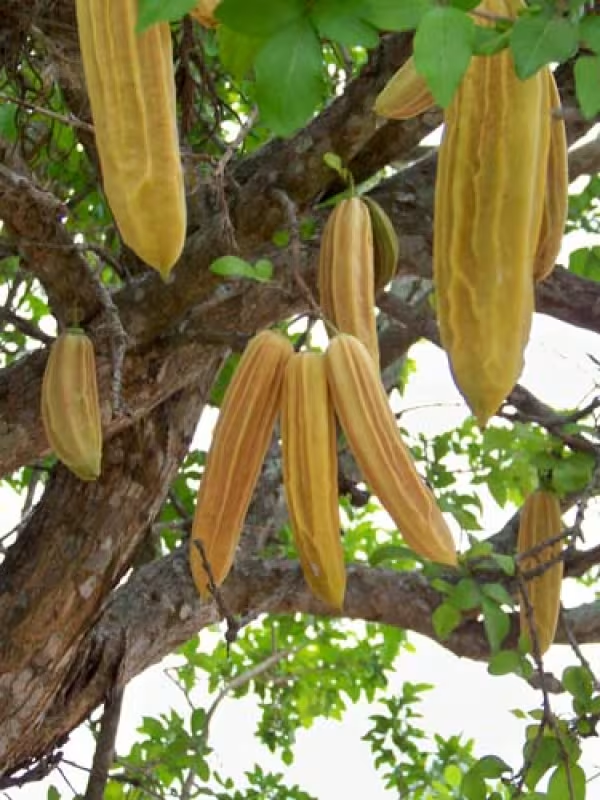
The fruits of Parmentiera edulis are elongated and cucumber-like, growing directly from the trunk and major branches of the tree.
Yield capacity varies depending on the tree's maturity, health, and the effectiveness of natural pollination processes in the orchard.
The pulp is edible and serves as a traditional ingredient in regional cuisines, often prepared through boiling, frying, or roasting methods.
The culinary versatility of the fruit is limited by its fibrous skin, which is typically removed before the pulp is used in dishes.
Production is generally localized, serving as a supplement to other crops in diverse agroforestry systems within its native range.
Main diseases and pests
Fungal pathogens are the primary concern for Parmentiera edulis, particularly in areas with excessive rainfall or poor air circulation within the canopy.
Root rot caused by stagnant water is a significant threat, highlighting the necessity of proper site selection and drainage management.
Insect pests, including aphids and scales, can infest young shoots and leaves, necessitating early detection and proactive management strategies.
Integrated pest management, including the use of beneficial insects and biological soaps, is recommended to keep pest populations at bay.
Maintaining high hygiene standards in the orchard, such as pruning dead wood and removing debris, is essential for overall plant health.
Harvesting
Harvesting should be performed manually, carefully selecting fruits that have reached the appropriate size and color indicative of maturity.
Using sharp tools is mandatory to ensure clean cuts, minimizing physical damage to the trunk that could otherwise allow pathogens to enter.
Post-harvest handling must be gentle, as the fruits can bruise easily, impacting their texture and overall quality for end-users.
Fruits should be processed or marketed quickly, as they have a relatively short shelf life when stored at ambient room temperatures.
The harvesting season can extend over several weeks, allowing for periodic picking rather than a single, labor-intensive harvest event.