
Parajubaea torallyi
Parajubaea torallyi
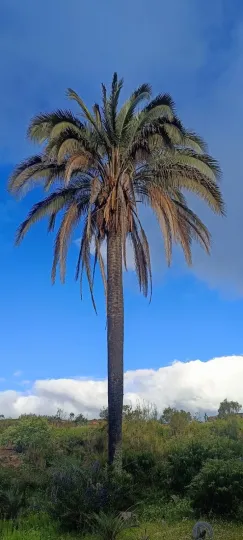
Description
Sowing dates
Propagation of Parajubaea torallyi is strictly performed via seeds, which possess a hard, protective endocarp that requires pre-sowing treatment for successful germination.
Soaking the seeds in warm water for 48 hours is a standard practice that helps to soften the shell and improves the rate of moisture absorption by the embryo.
Sowing should be done in deep containers using a loose, well-draining substrate like a mix of perlite, peat, and coarse sand to encourage deep taproot development.
Temperature control is vital; maintaining a constant soil temperature between 25 and 28 degrees Celsius significantly enhances the chances of uniform germination.
It is important to avoid disturbing the seedlings during the initial development phase, as the root system is extremely sensitive to transplantation and physical shock.
Growing requirements
As an endemic species from the high-altitude valleys of Bolivia, this palm belongs to the Arecaceae family and is exceptionally adapted to cool mountain climates.
The plant thrives in deep, well-drained soils that allow for efficient aeration. It does not tolerate heavy, waterlogged clays that contribute to root asphyxiation.
In terms of light, the palm requires full sun exposure to maintain its structural integrity and achieve healthy growth rates consistent with its natural habitat.
It is highly recognized for its cold tolerance, capable of surviving light frost and temperatures as low as -7 degrees Celsius when the foliage is mature and hardened.
Watering requirements follow a seasonal pattern; during the active growth period, it needs regular hydration, whereas in winter, watering should be significantly reduced.
Main diseases and pests
The most common agricultural threats for this species include fungal infections such as Pythium and Phytophthora, which typically develop in overwatered or compacted soils.
Insect pests like mealybugs and scale insects may infest the canopy, especially in greenhouse environments where air circulation might be insufficient for the plant.
Spider mites are a persistent problem in low-humidity conditions, requiring regular monitoring and misting to keep the foliage clean and healthy throughout the year.
Nutrient deficiencies, particularly of magnesium or potassium, can occur in containerized plants, leading to yellowing of the older leaves (chlorosis).
Integrated pest management, including the use of systemic insecticides and proper sanitation, remains the most effective strategy to ensure plant longevity.