
Parajubaea sunkha
Parajubaea sunkha
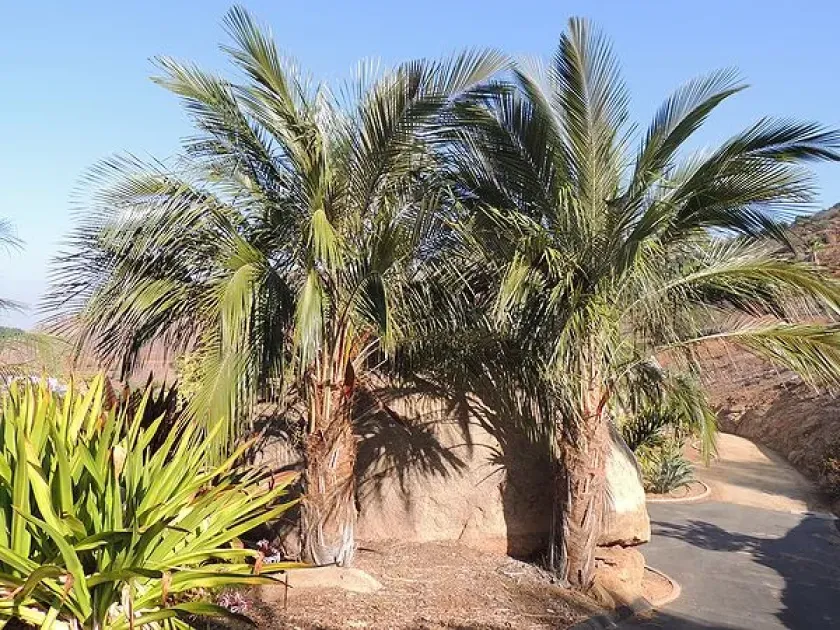
Description
Growing requirements
Parajubaea sunkha is a fascinating fan palm species belonging to the Arecaceae family. This species originates from the dry mountain valleys of Bolivia, thriving at altitudes between 2,000 and 3,000 meters above sea level.
It is uniquely adapted to high-altitude environments, making it one of the few palm species capable of withstanding moderate frost and periods of low humidity. The plant requires well-drained, porous soil to prevent root stagnation.
As a sun-loving plant, it demands full exposure to direct sunlight for optimal growth. It is highly resilient to large daily temperature fluctuations, which reflects its adaptation to the rugged climate of the Andes.
The ideal temperature range for active growth is between 18 and 25 degrees Celsius. While it handles dry conditions well, it is vital to avoid waterlogging the roots, as this is the most common cause of plant loss.
Proper air circulation is crucial for the health of this species. In cultivation, it performs best when placed in an open, airy location where the foliage can remain dry and well-ventilated.
Yield
The primary utility of Parajubaea sunkha lies in ornamental horticulture. Its aesthetic value and cold tolerance make it a highly desirable species for landscaping in temperate zones where traditional tropical palms would perish.
The fruits produced by the palm are small drupes. While locally consumed in its native Bolivia, they are not currently a significant agricultural crop for global trade, though they hold interest for niche collectors.
Cultivation is a slow-paced endeavor, as the palm grows at a moderate rate. The commercial potential is focused on nursery production, supplying established specimens to botanical gardens and private collectors.
Traditional uses include the crafting of various items from palm leaves in its native habitat, serving local artisans. The trunk wood is occasionally used for small-scale construction or specialized woodwork.
Seed production is the standard method of propagation. In managed settings, hand-pollination is often necessary to ensure a high yield of viable seeds, as the natural pollinators may not be present in the garden environment.
Main diseases and pests
Fungal pathogens associated with overwatering constitute the primary threat to Parajubaea sunkha. Root rot can manifest rapidly if the substrate remains saturated, particularly in cooler, low-light environments.
Scale insects and mealybugs are the most frequent pests to infest this palm. These insects colonize the leaf bases and undersides, weakening the plant by extracting sap and potentially promoting fungal growth.
Spider mites can become a significant issue in greenhouse cultivation where air is consistently dry and stagnant. Frequent leaf misting and monitoring are recommended to mitigate the risk of severe infestations.
Excessive use of nitrogenous fertilizers can lead to succulent growth that is overly attractive to pests. It is advised to use balanced, slow-release fertilizers formulated specifically for ornamental palm trees.
Preventative care is highly effective; maintaining proper soil drainage and conducting periodic health inspections of the crown foliage will significantly reduce the likelihood of pest or disease outbreaks.