
St. Bernard's lily
Paradisea liliastrum
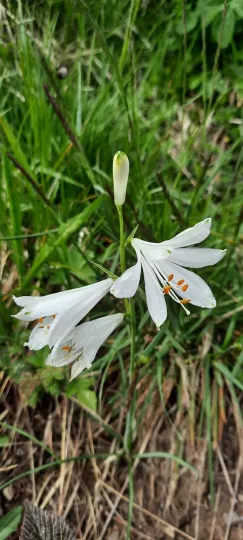
Description
Sowing dates
St. Bernard's lily (Paradisea liliastrum), a member of the Asphodelaceae family, can be propagated through seeds or by dividing established clumps. Seeds require a cold stratification period to break dormancy; therefore, autumn sowing in outdoor seedbeds is the most natural approach.
If opting for spring sowing, seeds must be stratified in a refrigerator for two to three months before being planted in a lightweight, well-draining seed-starting mix. The seeds should be sown at a shallow depth of about 1 centimeter.
Vegetative propagation via division is typically performed during the plant's dormant phase in early spring or autumn. This method ensures that the new plantlets retain the characteristics of the parent specimen and reach maturity faster than seed-grown plants.
When dividing, careful handling of the roots is necessary to avoid damage. Plant the divisions at the same depth they were growing previously and provide adequate water to settle the soil around the root system.
Seedlings develop slowly, often requiring two to three seasons before producing their signature white, lily-like flowers. Maintaining a spacing of 30–40 cm ensures that each plant has enough room for optimal development.
Growing requirements
Native to the mountain meadows of Southern and Central Europe, this plant thrives in environments that mimic its alpine origin. It prefers cool, temperate climates and requires a position with full sun to light shade to achieve maximum flowering potential.
The soil must be well-draining, as the plant is highly susceptible to root rot if left in waterlogged conditions. Rich, loamy soils with a neutral to slightly acidic pH are ideal for the vigorous growth of this perennial.
Watering management is critical; the soil should be kept consistently moist during the active growing season but never soggy. Adequate drainage must be ensured to prevent the crown of the plant from remaining wet for too long.
Feeding the plants with a layer of organic compost in early spring provides sufficient nutrients for healthy foliage and strong flowering stalks. Avoid excessive use of nitrogenous fertilizers, which may promote weak, lush growth prone to diseases.
The plant is quite hardy, but in areas with harsh, exposed winters and little snow cover, a protective layer of mulch around the base is recommended to prevent the roots from drying out or suffering from freeze-thaw cycles.
Main diseases and pests
St. Bernard's lily is generally a robust plant, but it can be susceptible to fungal diseases when grown in poor drainage or overcrowded conditions. Root rot is the primary concern, usually signaled by yellowing foliage and stunted growth.
Management of fungal issues relies heavily on prevention: ensuring proper spacing, avoiding over-irrigation, and maintaining high hygiene standards by removing any decaying plant material promptly.
Slugs and snails are the most prominent pests, particularly during the wet spring months when they target the succulent new leaves. Physical barriers, such as crushed eggshells or gravel, can effectively deter these pests.
Aphids can occasionally cluster on tender flower buds, drawing sap and potentially spreading viral infections. Minor infestations can be managed with a gentle stream of water or insecticidal soap applications.
Regular monitoring of the garden bed for early signs of distress, combined with active weed control, significantly lowers the risk of pest outbreaks and ensures the long-term vitality of the perennial.