
Pappophorum philippianum
Pappophorum philippianum
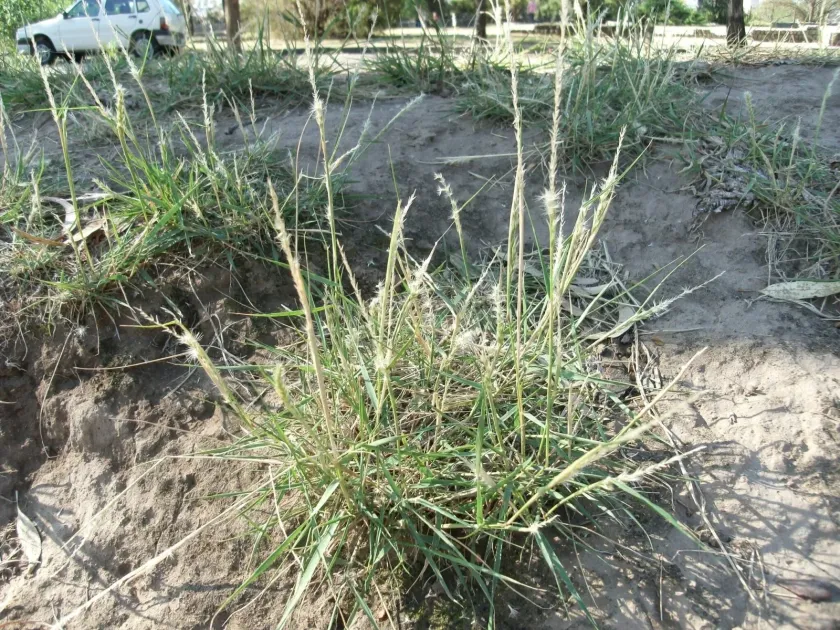
Description
Sowing dates
Pappophorum philippianum is a perennial grass belonging to the Poaceae family. In natural ecosystems, it reproduces via seeds that mature towards the end of the summer season, adapting well to arid cycles.
For agricultural cultivation, the ideal time to sow seeds is in the spring once soil temperatures have reached a consistent level above 18-20 degrees Celsius. Planting in cold, damp soil significantly reduces germination rates.
The seeds are small and should be sown at a shallow depth of approximately 1-2 centimeters. Ensuring proper soil-to-seed contact is essential for successful establishment in field conditions.
Young seedlings exhibit slow initial growth and require careful management of soil moisture. Protecting them from competition with faster-growing weeds during the first few weeks is vital.
Row seeding is the recommended method for field establishment. This allows for better spacing, which optimizes light penetration and nutrient availability for the developing plants.
Growing requirements
The species is highly adaptable to light-textured soils, including sandy and sandy-loam types. It thrives in well-drained conditions, making it an excellent candidate for semi-arid environments.
Pappophorum philippianum is a heliophyte, meaning it requires full sun exposure to maintain optimal photosynthetic activity. Shaded conditions lead to stunted growth and reduced biomass yield.
Soil pH levels should ideally range from slightly acidic to neutral. While the plant can tolerate some salinity, excessively alkaline or highly compacted soils should be avoided for maximum yield.
The plant shows remarkable resilience to high temperatures and prolonged dry spells. Its root system is specifically adapted to extract moisture from deeper soil layers during droughts.
Proper field management includes mechanical weeding to maintain a clean stand, especially during the establishment phase, as the grass is sensitive to heavy weed pressure early on.
Yield
The primary use of this grass is as a high-quality forage crop for grazing livestock. It is valued for its ability to maintain nutritional levels even under challenging climatic conditions.
Biomass productivity depends heavily on the intensity of rainfall and grazing management. The species is known for its strong regrowth capacity after being grazed or mown for hay.
The forage value is highest during the vegetative stage. Once the plant enters the flowering phase, the fiber content increases, and the digestibility for livestock decreases significantly.
For seed production, harvesting is performed when the seed heads are fully mature but before natural shedding occurs. Timely mechanical harvesting is necessary to maximize seed yield.
It performs exceptionally well when integrated into mixed-grass pastures, where its drought resistance provides a reliable food source during the lean summer months.
Main diseases and pests
Pappophorum philippianum possesses a robust natural resistance to many common fungal diseases. However, standing water or poor drainage can lead to root rot issues in overly saturated soils.
Insects, particularly grasshoppers and other orthopterans, pose the greatest threat to the foliage in arid regions. Regular monitoring of the field is advised to prevent significant damage.
Rust infections may occasionally occur if plant density is too high, creating a humid microclimate. Maintaining proper planting density helps promote airflow and minimizes these risks.
Biological and mechanical control methods are preferred over chemical interventions, given the plant's inherent resilience and the desire to maintain high-quality forage.
Effective crop rotation and clearing of adjacent vegetation from field borders are recommended strategies to prevent the buildup of pest populations that could migrate into the forage stand.