
Pappophorum caespitosum
Pappophorum caespitosum
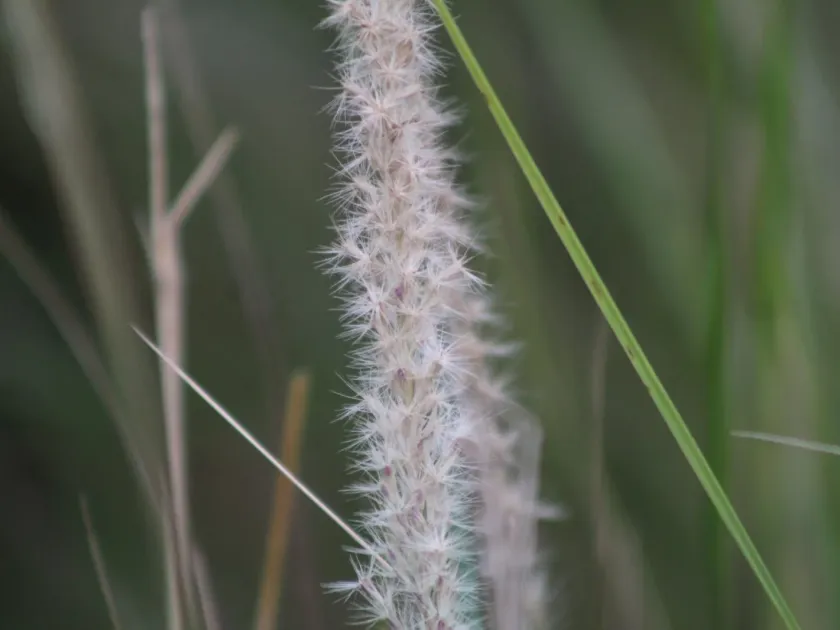
Description
Growing requirements
Pappophorum caespitosum, commonly known as a type of pappusgrass, belongs to the Poaceae family. It is a perennial grass species specifically adapted to thrive in harsh, arid, and semi-arid environments where water availability is extremely limited.
The plant is highly specialized for well-drained soil conditions, showing a strong preference for sandy or rocky substrates. It plays a critical role in soil conservation by effectively binding loose particles and preventing wind erosion in desertified areas.
High temperatures are essential for the optimal growth of this grass. Unlike many other agricultural crops, it remains metabolically active under extreme heat, making it a robust component of the local vegetation in hot climates.
The grass has low fertility requirements, as it is evolutionary adapted to nutrient-poor soils. It does not tolerate waterlogging, which can rapidly lead to root decline, necessitating the selection of well-draining topography for its establishment.
Agricultural management should prioritize minimal soil disturbance. Its resilience is its primary asset, allowing it to survive prolonged droughts that would cause the total failure of conventional fodder crops.
Yield
The primary economic value of Pappophorum caespitosum is its role as a forage source for livestock in arid regions. It provides a consistent, albeit moderate, supply of green matter throughout the growing season.
Nutritionally, this grass is adequate for grazing livestock, particularly in the vegetative stage. It maintains sufficient protein and fiber levels, supporting animal health in environments where high-quality fodder is scarce.
Productivity is tightly linked to seasonal rainfall patterns. However, even in years of significantly below-average precipitation, the plant continues to produce biomass, acting as a vital feed reserve for cattle and small ruminants.
The plant displays remarkable regrowth potential. After a grazing event, it recovers quickly, provided that the stocking rate is managed effectively to allow for periodic resting of the vegetation.
The potential for biomass yield can be slightly improved with targeted, low-dosage nutrient management; however, the grass is primarily prized for its ability to produce yields under conditions that are impossible for other species.
Main diseases and pests
Pappophorum caespitosum possesses a high level of natural resistance to common cereal diseases. Its physiological structure and adapted habitat make it largely immune to many pathogens that impact less specialized grasses.
Overgrazing remains the single most significant threat to its persistence. Sustained grazing pressure that exceeds the plant's recovery time leads to the depletion of carbohydrates in the root system and eventual population collapse.
Insect pests such as locusts may occasionally cause defoliation during outbreaks. However, these events are typically sporadic and do not usually require intensive chemical control in wild or semi-wild rangelands.
Soil pathogens associated with root rot are only a concern if irrigation management is poorly controlled, leading to persistent moisture in the root zone. Under natural arid conditions, these threats are minimal.
Management practices focus on rotation and grazing density regulation. By ensuring sustainable utilization, the grass population remains healthy and continues to serve its vital function as a stable fodder source.