
Pamianthe peruviana
Pamianthe peruviana
Description
Growing requirements
Pamianthe peruviana is a rare bulbous plant belonging to the Amaryllidaceae family. Originally native to the cloud forests of Peru and Ecuador, it typically grows as an epiphyte, attaching itself to trees, which defines its unique agricultural requirements.
The culture thrives in warm, humid conditions. It is essential to maintain ambient temperatures between 18°C and 25°C throughout the year, as the plant does not tolerate frost or cold drafts, which can severely damage its foliage and bulb structure.
A well-draining, airy medium is critical for the success of this crop. Growers often use a mixture of pine bark, perlite, and dried moss to ensure that the roots receive sufficient oxygen and do not remain waterlogged for extended periods.
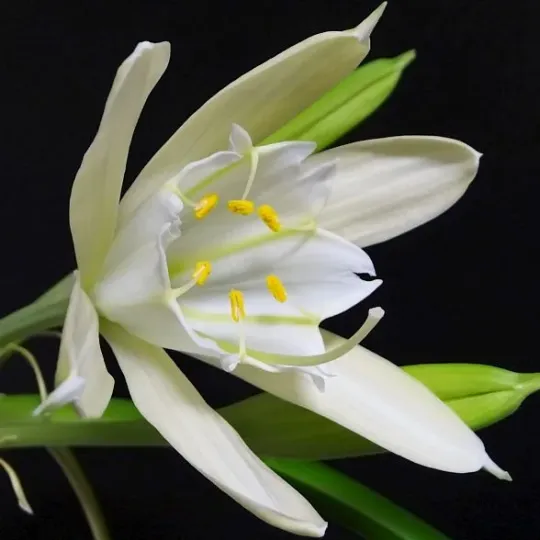
The botanical structure is distinctive, characterized by long, strap-like evergreen leaves and large, trumpet-shaped white flowers with a prominent corona. Proper moisture management is the key factor in the plant's growth cycle and its ability to bloom effectively.
Bright, indirect light is necessary for healthy development. While it requires a high amount of light, direct sunlight can cause leaf scorch, so it is recommended to provide diffused illumination, especially during the peak of summer.
Main diseases and pests
Root and bulb rot are the primary threats to Pamianthe peruviana, typically caused by overwatering or poor drainage. These fungal infections can spread rapidly, compromising the structural integrity of the bulb.
Spider mites are the most common pest, especially in environments where humidity levels are not consistently maintained at a high level. These mites thrive in dry conditions and can cause significant damage to the leaves.
Scale insects and mealybugs are other potential threats that may hide in the leaf axils. Regular inspection is advised to identify early signs of infestation and to manually remove pests if they are present in small numbers.
Preventive measures include maintaining good airflow and using sterilized potting materials. If fungal symptoms appear, immediate action must be taken to reduce watering and apply appropriate fungicide treatments.
By carefully monitoring the soil moisture and keeping the foliage clean, growers can significantly reduce the risk of common diseases and ensure the longevity and health of the plant.