
Palaquium rubiginosum
Palaquium rubiginosum
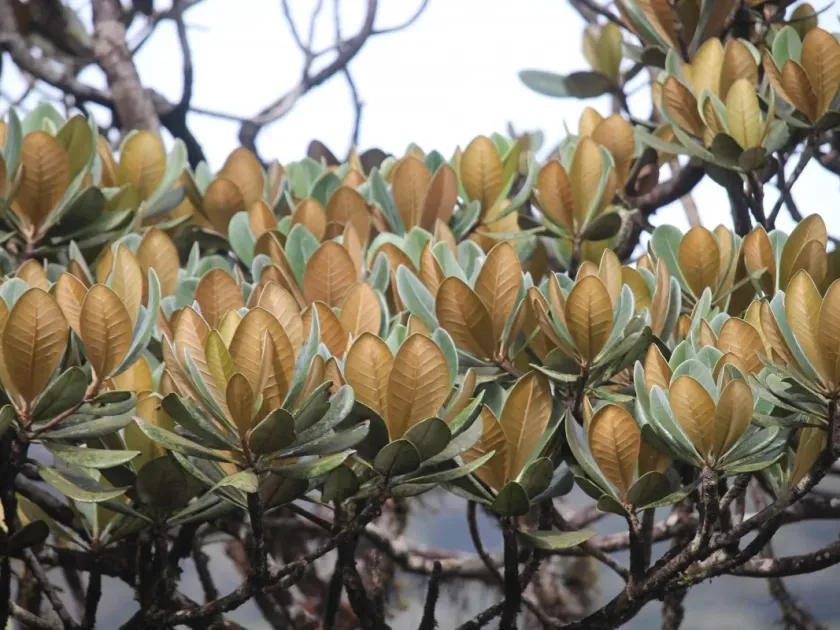
Description
Growing requirements
Palaquium rubiginosum is a tropical evergreen tree species belonging to the Sapotaceae family. It is recognized for its significant size and robust growth within its native environment.
The species is indigenous to the humid tropical forests of Southeast Asia, thriving in regions characterized by high rainfall and warm temperatures throughout the year.
For successful cultivation, the tree requires well-drained, nutrient-rich soils. It is sensitive to waterlogging, necessitating proper land drainage in managed forestry operations.
The microclimate plays a crucial role in its development; high air humidity and a sheltered environment during the early stages of growth are essential for optimal health.
Agronomic management involves periodic monitoring of soil fertility and ensuring the protection of young saplings from harsh environmental conditions.
Yield
The primary economic utility of this species involves the extraction of gutta-percha, a natural latex found in the tree's sap, historically valued for its thermal and insulating properties.
The timber of Palaquium rubiginosum is highly regarded for its durability, resistance to rot, and strength, making it suitable for high-quality construction and furniture.
Due to the slow growth rate of the species, yield cycles are long, requiring strategic management and careful planning to ensure the sustainability of timber production.
Research into the biological properties of the species continues, focusing on improving yield efficiency while maintaining ecological balance within its habitat.
Sustainable harvesting techniques are vital to ensure that the collection of forest products does not lead to the depletion of the natural population of this tree.
Main diseases and pests
The most significant threat to the survival and growth of Palaquium rubiginosum is the widespread loss of its natural forest habitat due to land-use changes.
Pathogenic fungi pose a risk to the tree's vascular system, particularly in nursery environments where improper humidity control can favor the spread of soil-borne pathogens.
Insects and other specialized tropical pests can cause damage to the foliage and bark, potentially weakening the tree and making it susceptible to secondary infections.
Environmental stress, including extreme weather events such as prolonged droughts, can disrupt the natural physiological processes of the tree.
Effective management strategies should focus on integrated pest control and the preservation of genetic diversity to build resilience against potential diseases.