
Palaquium leiocarpum
Palaquium leiocarpum
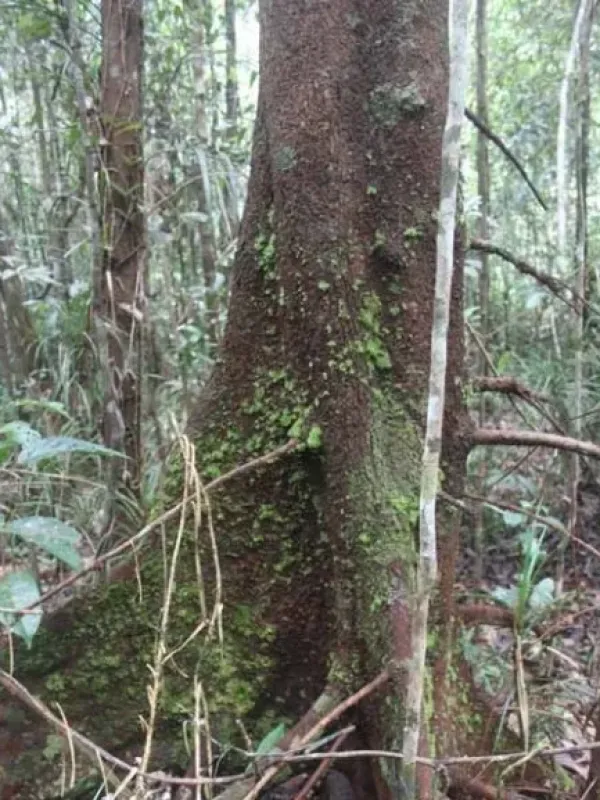
Description
Growing requirements
Palaquium leiocarpum is a member of the Sapotaceae family. This evergreen tropical tree is known for its ecological importance and specific growth requirements that define its cultivation in tropical regions.
The species thrives in humid tropical environments with consistent temperatures and high annual rainfall. It is not suitable for regions with prolonged dry seasons or extreme temperature fluctuations that can stress the plant's metabolism.
The optimal soil for this tree is deep, nutrient-rich, and well-draining. The presence of high organic content in the substrate significantly boosts the growth rate and structural integrity of the wood during the development stages.
Land selection must prioritize avoiding waterlogged areas, as the root system is highly sensitive to hypoxia. Proper site preparation, including grading for drainage, is essential for establishing a healthy plantation.
Young trees require protection from direct, intense sunlight until they are sufficiently established. Once reaching maturity, the species demonstrates better tolerance to light, assuming soil moisture levels remain stable.
Harvesting
The economic value of Palaquium leiocarpum is derived from its latex production and high-quality timber. Harvest management involves sustainable tapping and selective logging practices to maintain the longevity of the trees.
The extraction of latex must be performed with precision tools to ensure that the cambium layer is protected. Improper harvesting techniques can lead to permanent damage and significantly reduce the lifespan of the tree.
Seed harvesting for propagation requires careful timing, as the seeds have a short shelf life. Immediate sowing in managed nurseries is necessary to ensure high germination rates and seedling viability.
Timber harvesting should follow systematic rotation schedules to ensure consistent output while allowing the forest stand sufficient time to recover. Efficiency in logging helps reduce waste during primary processing.
Quality control during the harvest phase includes inspecting raw materials for signs of pests or structural defects. This ensures that only high-quality products are sent for final industrial processing.