
Oxylobium tetragonophyllum
Oxylobium tetragonophyllum
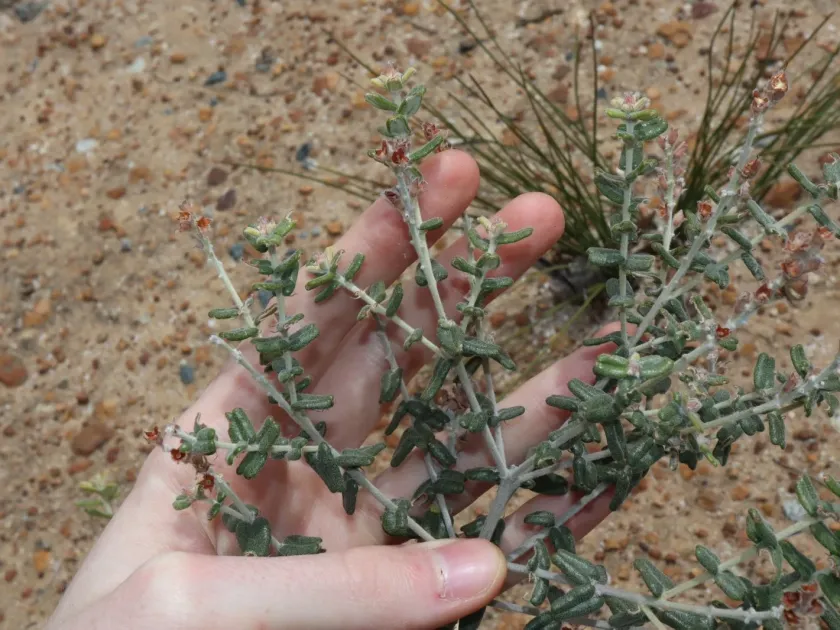
Description
Growing requirements
Oxylobium tetragonophyllum is a member of the Fabaceae family, native to the sclerophyll forests of Australia. It is characterized by its distinctively shaped foliage and resilient nature in nutrient-poor, rocky substrates.
To cultivate this plant successfully, one must ensure exceptional soil drainage. It thrives in soils that mimic its natural habitat, typically sandy or rocky compositions that do not retain excess moisture for long periods.
Light intensity is a critical factor for this species. It requires full sun exposure to maintain its dense, structural growth pattern. Insufficient light leads to weak, spindly stems and reduced flowering capabilities.
The plant is adapted to soils with low phosphorus levels. When considering fertilization, it is essential to use specific formulations for native Australian plants to avoid phosphate toxicity, which can severely damage the root system.
Temperature management involves protecting the plant from severe frost. While it handles mild temperature drops well, consistent exposure to freezing conditions will compromise its health and structural integrity.
Main diseases and pests
Phytophthora root rot is the most significant threat to Oxylobium tetragonophyllum. This pathogen thrives in waterlogged soils, making proper drainage the primary defense mechanism for the grower.
Pests such as scale insects and mealybugs may infest the branches under protected cultivation. Early detection and the application of targeted horticultural oils are recommended for control.
Environmental stress, particularly sudden changes in soil moisture or humidity, can predispose the plant to secondary fungal infections that damage the vascular tissue of the stems.
Maintaining a clean cultivation area and ensuring proper spacing between plants helps to reduce the risk of mold and pest proliferation in dense plantings.
Regular inspection of the root collar and base of the stem is advised to catch early signs of decay or localized pest activity before it spreads to the entire plant.