
Oxylobium racemosum
Oxylobium racemosum
Description
Growing requirements
Oxylobium racemosum belongs to the Fabaceae family, commonly recognized for its unique biological nitrogen-fixing properties. It is a perennial shrub native to the diverse landscapes of Australia.
This crop thrives in well-drained, sandy loam soils. Soil aeration is paramount for the health of its root system, as the species is highly susceptible to waterlogging which can be fatal to young specimens.
Regarding climate, the plant prefers warm, temperate conditions with sufficient exposure to direct sunlight. While it is adaptable, it performs optimally in sheltered areas that provide protection from extreme wind gusts.
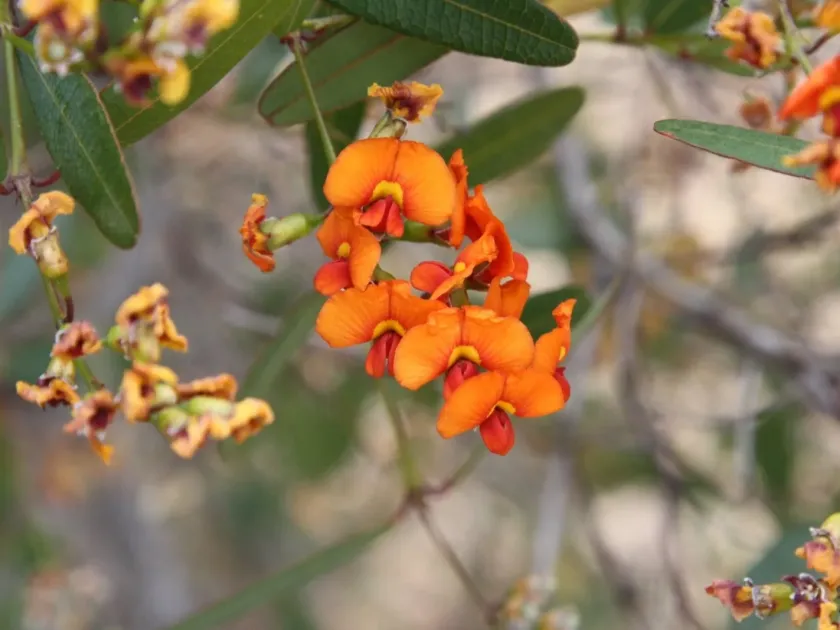
Botanical morphology includes evergreen, leathery foliage and clusters of bright yellow blossoms. The plant's architecture allows for strategic planting in rows or clusters, provided there is adequate spacing for airflow.
Maintaining soil pH between 5.5 and 6.5 is recommended for optimal nutrient uptake. Regular monitoring of the soil moisture profile is essential to prevent physiological stress during the active growing season.
Main diseases and pests
Root rot, particularly caused by Phytophthora species, remains the primary threat to this shrub. Management relies heavily on ensuring drainage and avoiding the accumulation of stagnant water in the root zone.
Pests such as aphids and spider mites frequently affect the crop during warm, dry cycles. These pests feed on the nutrient-rich sap of the new leaves, leading to chlorosis and potential stunted growth.
Powdery mildew is a significant concern during high humidity conditions. Applying sulfur-based fungicides or appropriate biological agents can mitigate the spread of fungal spores across the planting site.
Crop protection strategies should integrate mechanical cleaning, such as pruning infected branches, with judicious use of pesticides to maintain the biological balance of the area surrounding the plants.
Monitoring for signs of nutrient deficiencies, which might be mistaken for disease, is also critical. Yellowing leaves should be analyzed carefully to distinguish between mineral deficiency and potential infestation by sap-sucking insects.