
Oxylobium callistachys
Oxylobium callistachys
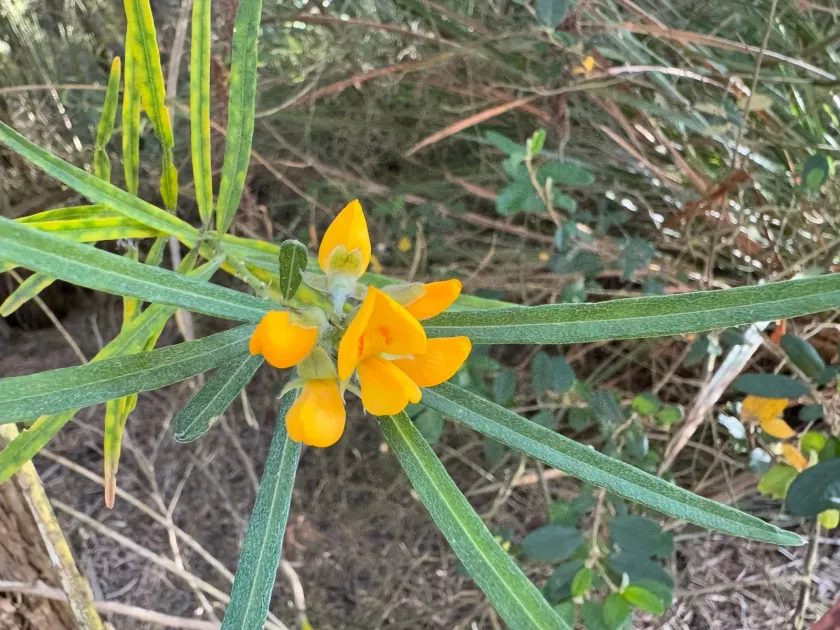
Description
Growing requirements
Oxylobium callistachys is an evergreen shrub belonging to the Fabaceae family, native to Western Australia. Known for its distinct botanical features, it typically grows in well-drained habitats, ranging from sandy loams to rocky soils within its natural geographical distribution.
The cultural requirements for this plant focus heavily on soil structure. It thrives in soils with excellent drainage, as the species is highly sensitive to root rot caused by stagnant water. When grown in nurseries or gardens, adding coarse sand or perlite to the planting medium is standard practice to prevent waterlogging.
Regarding climate, Oxylobium callistachys prefers sunny locations with moderate temperatures. While it exhibits significant drought tolerance once established, it requires regular hydration during its early growth stages to develop a robust root system. It is generally not frost-hardy and requires protection in colder climates.
Agrotechnical management includes periodic pruning to maintain the plant's shape and promote denser foliage. Given its nitrogen-fixing capabilities as a legume, it performs best in soils with low to moderate fertility levels, avoiding high-nitrogen synthetic fertilizers that might negatively affect its natural development.
Economically, this species is utilized primarily for ornamental purposes. Its attractive, bright floral spikes make it a favored choice for xeriscaping and sustainable garden design in Mediterranean-type climates, where it adds both aesthetic value and ecological benefits through biodiversity support.
Main diseases and pests
Phytopathological threats to Oxylobium callistachys primarily include soil-borne fungal pathogens such as Phytophthora. These are most active in poorly drained soil conditions and can cause systemic collapse of the plant, making soil health management the top priority for cultivators.
Insect pests, including spider mites and various scale insects, pose a significant risk, particularly in dry conditions or greenhouse environments. These pests feed on sap, which weakens the plant and can lead to secondary infections if left unchecked by integrated pest management practices.
Powdery mildew is another common issue, especially during humid seasons or when airflow around the shrub is restricted. Providing adequate spacing and conducting regular selective pruning helps maintain the microclimate within the canopy, reducing the likelihood of infection.
Nutrient toxicity is an often overlooked threat; the plant's sensitivity to high phosphorus and nitrogen levels can lead to leaf tip burn and physiological stress. Accurate monitoring of soil chemistry is essential to ensure the plant remains in a healthy state of vegetative growth.
Integrated management plans should focus on preventive measures, such as mulching to regulate soil temperature and utilizing natural predators for pest control. Maintaining high sanitation standards around the planting area helps to prevent the establishment of persistent disease cycles.