
Oxygonum sinuatum
Oxygonum sinuatum
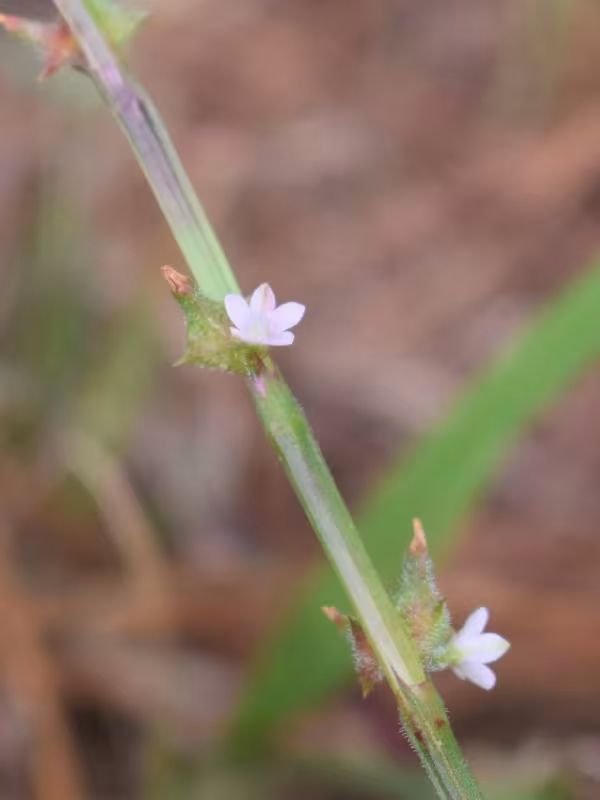
Description
Growing requirements
Oxygonum sinuatum is a flowering plant belonging to the buckwheat family, Polygonaceae. It is native to southern and eastern Africa and is primarily recognized in agricultural settings as a vigorous and persistent weed species.
The plant thrives in a variety of environmental conditions, ranging from open disturbed grasslands to crop fields. Its ability to tolerate low soil fertility and high temperatures makes it a significant challenge for local farmers and growers.
Botanically, it features sinuate (wavy) leaves and produces seeds that are easily dispersed by wind, water, or agricultural equipment. The plant's root system is adapted to secure anchorage in coarse or sandy soils, aiding its survival during drought.
Regarding climate, Oxygonum sinuatum prefers sunny, semi-arid, or tropical conditions. It does not require high levels of moisture for germination, but it can quickly utilize any available rainfall to rapidly complete its life cycle.
To effectively manage the plant in agricultural areas, it is essential to focus on early identification. Because it can produce large amounts of seeds, preventing the maturation process is the key requirement for maintaining field productivity.
Main diseases and pests
Various herbivores, including beetles and certain species of caterpillars, commonly feed on the leaves of Oxygonum sinuatum. These insects can cause significant defoliation, though they rarely eradicate the population entirely.
Fungal diseases, specifically leaf spots and mildew, are frequently observed on this species. These pathogens typically emerge during humid seasons, negatively impacting the overall health and reproductive success of the plant.
Weed management involves a combination of mechanical and chemical strategies. Deep tillage is often employed to bury seeds at depths where germination is impossible, while surface harrowing destroys young seedlings before they develop deep roots.
Herbicidal control is effective during the seedling stage. However, as the plant matures, its woody stems become more resilient to contact herbicides, necessitating the use of systemic products for full control.
Root-knot nematodes can also affect the growth of Oxygonum sinuatum by attacking the root system, which reduces the plant's vigor and its ability to compete with neighboring crops for essential nutrients and minerals.