
Oxygonum alatum
Oxygonum alatum
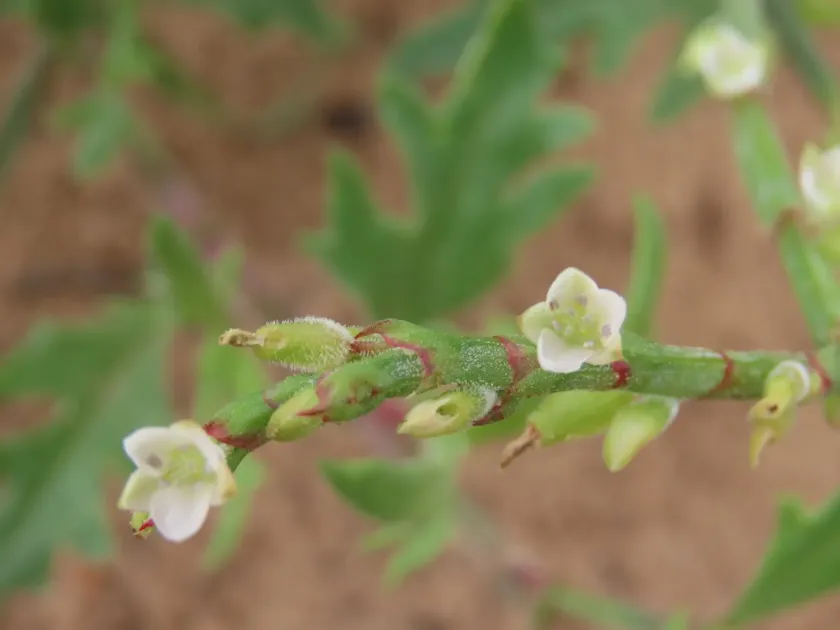
Description
Growing requirements
Oxygonum alatum is a member of the Polygonaceae family, primarily recognized for its remarkable adaptation to arid and semi-arid environments. It is a hardy herbaceous plant that thrives in challenging climatic conditions where most conventional crops fail.
The native range of this species covers regions of Africa characterized by sandy substrates and high temperature fluctuations. Botanically, it is classified by its distinct winged fruit, which provides a unique identification feature for the genus.
To successfully cultivate this species, it requires light, well-drained soil with a low clay content. Proper aeration is essential, as the root system of Oxygonum alatum is highly susceptible to suffocation in compacted or waterlogged soils.
Climate requirements involve high levels of solar radiation and consistent, high thermal accumulation throughout the growing season. The plant demonstrates high photosynthetic efficiency under intense heat, which is a key trait for its survival in desertification-prone areas.
Agricultural use of this crop is mainly focused on soil conservation and grazing support. Due to its deep root structure, it serves as an excellent stabilizer for loose sandy landscapes, contributing to the prevention of soil erosion.
Main diseases and pests
The primary threats to Oxygonum alatum include fungal infections resulting from poor drainage management. Excessive moisture in the root zone promotes the rapid growth of oomycetes, leading to vascular wilt and root rot.
Pest pressures are mainly represented by grasshoppers and other chewing insects that target succulent foliage during the growth stage. In controlled environments, aphids can also become a nuisance by colonizing the tender apical buds.
Management of these threats relies heavily on preventative agronomic practices. Regular scouting is essential to identify the presence of pests before they reach the economic injury level, minimizing the need for chemical intervention.
Crop hygiene is critical in maintaining a healthy stand. Removing organic debris around the base of the plant reduces the risk of soil-borne diseases that can potentially infect the stem tissues during humid nights.
Applying balanced micronutrient fertilization can improve the plant's natural resistance to diseases. Strengthening the cell walls of the epidermis is the most effective biological strategy against chewing pests and fungal pathogens alike.