
Oxygonum dregeanum
Oxygonum dregeanum
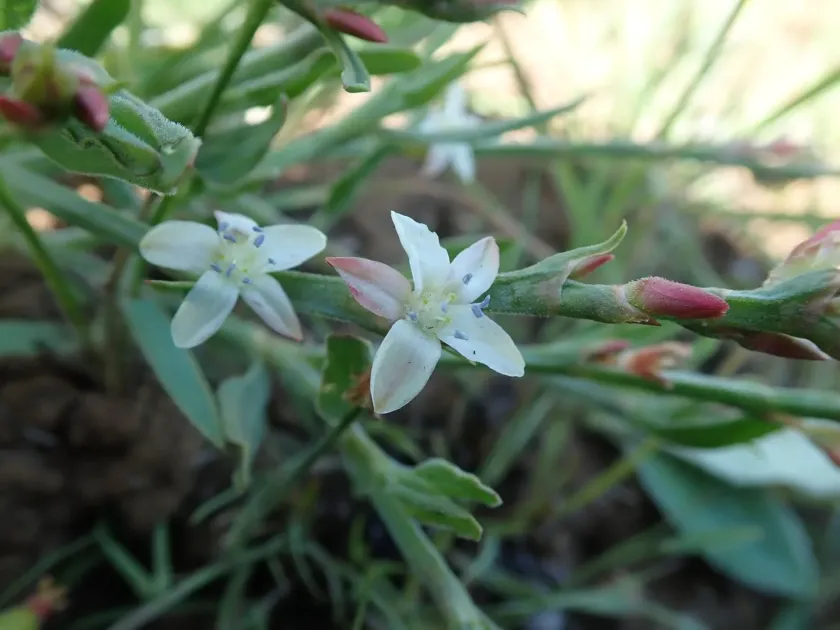
Description
Growing requirements
Oxygonum dregeanum is a herbaceous plant species belonging to the Polygonaceae family. Originating from the arid and semi-arid regions of Southern Africa, it is well-adapted to environments where water availability is periodic rather than consistent.
The plant exhibits specific botanical traits, including a rosette-based growth habit and distinct inflorescences. It is considered a hardy species capable of enduring the harsh climatic conditions of the savanna ecosystem, where high temperatures and variable rainfall patterns prevail.
Regarding soil requirements, this species favors well-drained, sandy, or loamy substrates. It demonstrates significant tolerance to nutrient-poor soils, which allows it to thrive in areas where more demanding agricultural crops would fail to establish.
Climatic adaptability is a core feature of Oxygonum dregeanum. It performs best under full sun exposure and can manage the rapid evaporation rates common in its native range. Stable temperature regimes promote the healthiest vegetative development.
In terms of practical use, it is primarily recognized for its role in grazing management. It provides essential forage for livestock in regions where traditional pasture grasses may struggle, contributing to the agricultural stability of dryland farming systems.
Main diseases and pests
Fungal infections, particularly powdery mildew, are the primary disease threats to Oxygonum dregeanum. These pathogens thrive when stagnant air and high humidity levels are present, compromising the overall leaf quality and plant vigor.
Pest pressure from local insect populations can target the plant's reproductive organs. Such damage often leads to reduced seed set, which directly impacts the natural regeneration and density of the plant population in wild or managed stands.
Competition from invasive plant species remains a persistent threat. Without proper management, opportunistic weeds can easily outcompete this species for water, nutrients, and solar energy, leading to a decline in population health.
Overgrazing poses a significant risk to the longevity of the stands. Uncontrolled livestock pressure prevents the plant from reaching its seed-producing stage, thereby weakening the stand over consecutive growing seasons.
Integrated management strategies should prioritize maintaining proper plant spacing and ensuring sufficient soil drainage. Monitoring the health of the leaves and stems is essential for early detection of potential outbreaks of disease or pest infestations.