
Osmaronia
Osmaronia
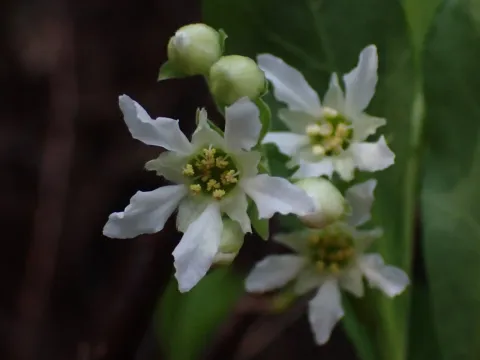
Osmaronia, scientifically known as Osmaronia cerasiformis, is a distinctive deciduous shrub belonging to the Rosaceae family. It is widely recognized for being one of the first shrubs to bloom in the spring, producing fragrant, white flowers.
What the section contains

Osmaronia
Native to the Pacific Northwest of North America, this plant thrives in woodland margins and along stream banks. It prefers deep, moist, and well-drained soils that are rich in organic matter to support its early vigorous growth.
In terms of climate, Osmaronia is best suited for temperate environments. It performs optimally in partial shade, though it can adapt to full sun provided the soil remains consistently moist and cool throughout the growing season.
Successful cultivation requires minimal but consistent maintenance. Regular mulching is essential to retain soil moisture and regulate ground temperature, mimicking the natural conditions of its forest-dwelling ancestors.
Pruning should be done judiciously, ideally after flowering, to shape the shrub and remove dead or diseased wood. This practice maintains the health of the plant and encourages a more floriferous display for the following season.
Osmaronia is generally robust, but it can be susceptible to powdery mildew during humid, stagnant periods. Ensuring adequate spacing between plants significantly reduces the risk of fungal infections.
Aphids are the most common insect pests that target the tender new growth during spring. They can cause leaf curling and stunt development, requiring timely intervention with insecticidal soaps if the infestation is severe.
Spider mites may become a problem in hot, dry conditions, particularly if the shrub is stressed by lack of water. Frequent inspection of the underside of leaves is recommended for early detection.
Root rot is a major threat in heavy, waterlogged soils. Establishing proper drainage before planting is the most effective preventive measure to ensure the longevity of the shrub's root system.
Bird damage can occur during the late winter months when they forage for the nutrient-rich developing flower buds. Utilizing protective mesh or reflective deterrents can help preserve the shrub's ornamental value.