
Oscularia vredenburgensis
Oscularia vredenburgensis
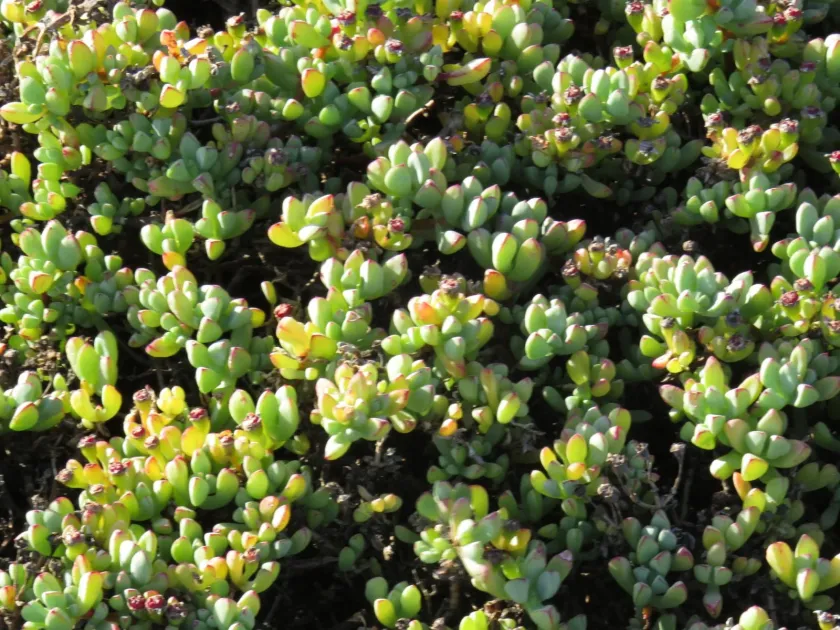
Description
Sowing dates
Propagation of this species is most successfully achieved through vegetative cuttings, which ensures the preservation of phenotypic characteristics in the daughter plants.
The ideal period for propagation is during the active growth phase, typically from late spring to mid-summer, allowing for quick rooting in an airy substrate.
For seed propagation, it is essential to use a highly permeable medium, such as a mix of pumice and sand, to mimic the natural rocky habitats of the species.
Seeds should be surface-sown and maintained in a warm environment with high ambient humidity initially, followed by a gradual reduction as seedlings develop.
Proper sanitation of tools and substrate is crucial when taking cuttings to prevent the entry of pathogens into the succulent tissues, which are prone to decay.
Growing requirements
Oscularia vredenburgensis belongs to the Aizoaceae family, a group of succulent plants renowned for their adaptation to extreme arid environments in Southern Africa.
The plant requires full sun exposure to maintain its compact growth habit and to promote the development of the characteristic colorful edges on its fleshy leaves.
The soil profile must be extremely well-draining, consisting largely of mineral components such as gravel, sand, and perlite, with very low organic matter content.
Watering strategies should follow a strict rhythm: deep watering when the soil is completely dry, followed by prolonged periods of drought during the winter dormancy.
It is not cold-hardy and must be protected from temperatures below freezing, as frost causes immediate cellular damage to its succulent, water-storing leaves.
Main diseases and pests
The primary threat to the health of this culture is root rot, which is almost exclusively caused by overwatering or poor drainage within the cultivation substrate.
Mealybugs are the most persistent pest, often hidden between the fleshy leaves, requiring targeted systemic pesticide treatments to eradicate the infestation effectively.
High humidity combined with poor air circulation can lead to fungal leaf spots, which compromise the plant's aesthetic value and overall physiological health.
Root-knot nematodes can potentially affect the root system, requiring the use of sterilized soil media to prevent infestation in commercial production setups.
Consistent monitoring and maintaining a dry environment around the leaf base are the most effective cultural practices to prevent the majority of biotic threats.