
Ornithoglossum viride
Ornithoglossum viride
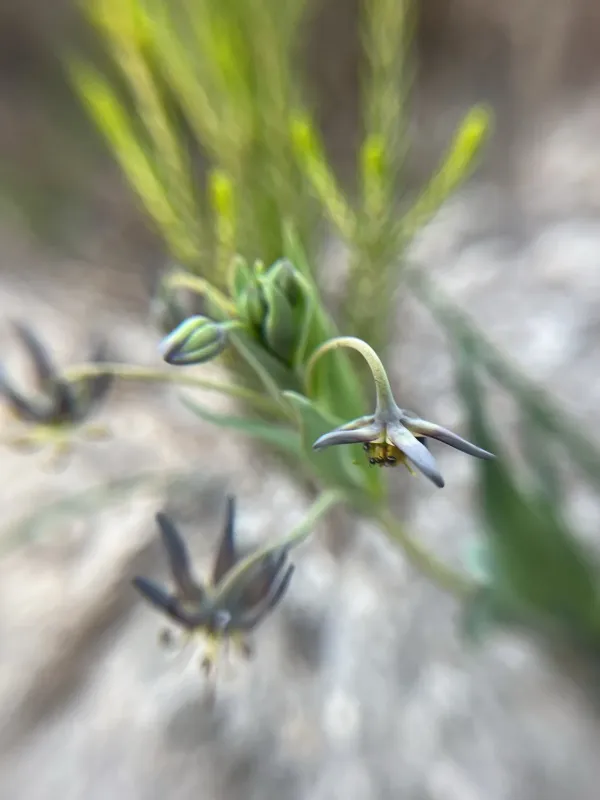
Description
Growing requirements
Ornithoglossum viride is a bulbous perennial belonging to the family Colchicaceae. It is native to southern Africa, where it thrives in arid and semi-arid environmental conditions.
This species requires well-drained, sandy soil to prevent water accumulation around the bulb. It is essential to place the plant in a location with high sunlight intensity to match its natural habitat requirements.
The plant undergoes a distinct vegetative cycle with a necessary dormancy period. During dormancy, it is crucial to keep the bulbs dry to mimic the natural dry season of its origin.
In cultivation, the species requires precise irrigation management. Watering should be increased only during the active growth phase and drastically reduced once the foliage begins to wither.
Temperature management is vital; the plant requires moderate warmth during the growth season and protection from freezing temperatures, as it is not tolerant to extreme cold.
Main diseases and pests
The primary threat to Ornithoglossum viride is fungal root rot, which typically develops when the soil medium remains excessively moist for prolonged periods.
Common pests include bulb mites and soil-dwelling larvae, which can compromise the bulb's structural integrity and provide entry points for secondary bacterial pathogens.
High humidity combined with poor ventilation can promote the growth of mildew on the leaves, which hinders photosynthesis and weakens the plant.
To prevent disease, it is recommended to ensure optimal air circulation around the plants and to maintain strict hygiene when handling the bulbs before planting.
Integrated pest management strategies should be employed, prioritizing preventive measures such as soil sterilization and careful monitoring of the moisture balance.