
Woronow's Star-of-Bethlehem
Ornithogalum woronowii
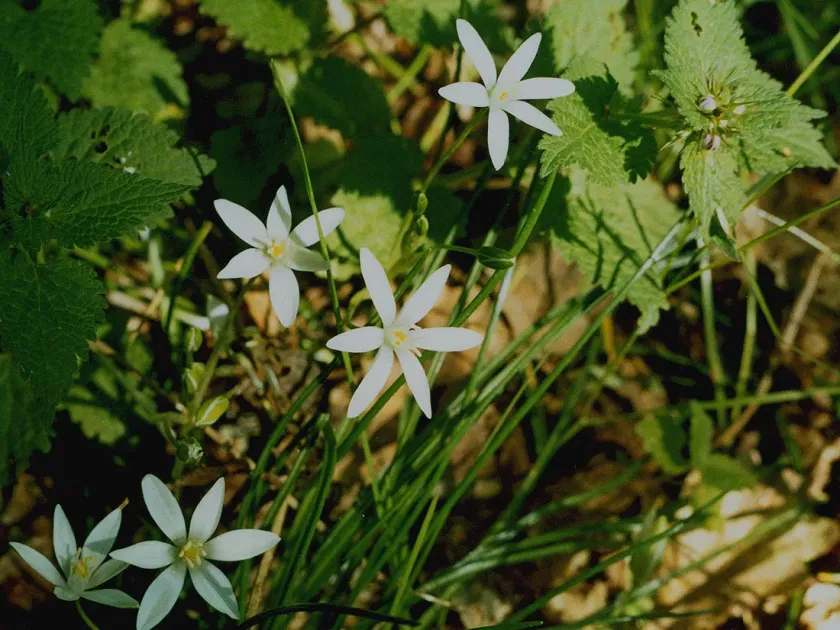
Description
Sowing dates
Planting of Woronow's Star-of-Bethlehem (Ornithogalum woronowii) bulbs should be performed in late summer or early autumn. This timing allows the root system to establish itself before the ground freezes in the winter months.
When propagating via seeds, sow them outdoors in late autumn. This ensures the seeds undergo the necessary cold stratification, which is critical for consistent germination during the following spring season.
The planting depth should be approximately two to three times the diameter of the bulb. Proper placement protects the plant from extreme temperature fluctuations and ensures the shoot can emerge safely during the spring growth phase.
Space bulbs 15 to 20 centimeters apart to allow for proper expansion, as these plants naturally form clusters over time. It is recommended to divide and replant overgrown clumps every 5 years to maintain vigour.
Choose a location that receives full sun or light shade. While the species is quite adaptable, areas with well-draining soil are essential to prevent bulb rot during the dormant summer period.
Growing requirements
This species belongs to the Asparagaceae family and is an ephemeral plant, meaning it completes its life cycle during the short spring window. It thrives in well-aerated, light, and fertile soil with a neutral pH.
Soil drainage is the most critical requirement for this culture. If the site has heavy or clay-like soil, incorporating grit or sand into the planting hole is mandatory to avoid water accumulation around the bulb.
Consistent moisture is required during the vegetative growth phase. However, once the plant enters dormancy in late spring or early summer, the soil should be kept relatively dry to mimic the natural environment of the plant.
The plant is highly frost-hardy and can withstand cold winters. In regions with harsh, snowless winters, adding a layer of mulch or compost will provide enough insulation to prevent damage to the developing bulbs.
Fertilization with a balanced mineral mixture during the early spring growth phase promotes larger blooms. Avoid using raw organic manure, as it can encourage bacterial growth and lead to bulb rot.
Main diseases and pests
Fusarium rot is a common issue affecting bulbs in poorly drained soils or during periods of excessive heat. Early detection and removal of infected plants are essential to prevent the spread of the pathogen to neighboring bulbs.
Botrytis, or gray mold, can affect the foliage during humid spring weather. Regular aeration of the garden bed and fungicidal treatments can effectively manage this threat to the ornamental value of the plant.
Root mites are frequent pests that infest the basal plates of bulbs. Using systemic insecticides during the dormant season or as a pre-planting dip is a standard and effective prophylactic measure for gardeners.
Slugs and snails can cause damage to the tender leaves in the early spring. Gardeners should implement integrated pest management techniques, such as copper tape or organic baits, to mitigate damage to the foliage.
Nematode infestations can lead to stunted growth and leaf distortion. Practicing proper hygiene, including removing debris and avoiding contaminated planting sites, helps keep the population of these microscopic pests under control.