
Ornithogalum trichophyllum
Ornithogalum trichophyllum
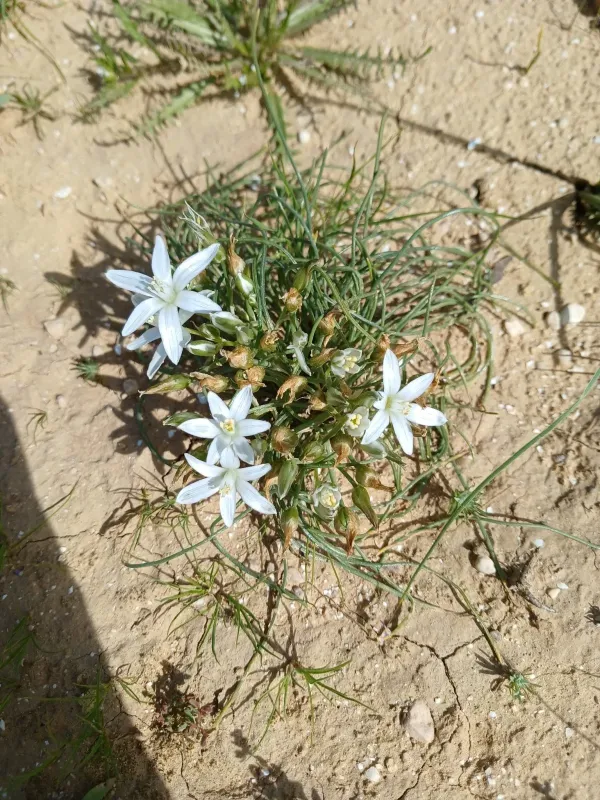
Description
Sowing dates
Ornithogalum trichophyllum is a bulbous herbaceous perennial belonging to the Asparagaceae family. This species is native to arid and steppe environments, displaying a growth pattern typical of spring ephemeroids.
Propagation is primarily achieved through seeds or daughter bulbs. For seed sowing, a cold stratification period is beneficial, making autumn sowing in open ground the most effective method for natural germination in early spring.
When propagating by bulbils, they should be separated during the dormant season after the foliage has withered. Planting depth is generally two to three times the diameter of the bulb to ensure stability and proper moisture regulation.
Soil preparation requires a well-draining, sandy-loam medium to prevent water stagnation. The physical structure of the soil must remain loose to facilitate the expansion of the bulb throughout the growing cycle.
Field cultivation requires careful site selection where the bulbs are not subjected to the competition of invasive grasses or perennial weeds, which can impede the plant's development during its short active season.
Growing requirements
The plant thrives in full sun, which is essential for the maturation of the bulb and the development of inflorescences. Shaded areas lead to weak stems and a significant reduction in reproductive success.
Soil requirements focus on neutrality or slight alkalinity and excellent drainage. The species is highly sensitive to waterlogged conditions, which trigger physiological stress and invite pathogen attacks.
The plant is adapted to regional climates with dry summers and cool, moist winters. Watering should be provided only during the active growth phase, tapering off as the foliage begins to turn yellow and senescence begins.
Minimal fertilization is required for healthy development. Excess nitrogen levels should be avoided, as they promote excessive leaf growth at the expense of bulb density and flower quality.
Good ventilation around the plant base is necessary to reduce the humidity levels that often lead to fungal growth. In regions with heavy winter rainfall, raised beds are an optimal solution for successful cultivation.
Main diseases and pests
The primary threats include bulb rot and fungal infections such as Botrytis, which manifest under conditions of high humidity and poor air circulation. These diseases are often fatal to the bulbs if left untreated.
Pests, particularly bulb mites and larvae of dipteran flies, can cause significant damage to the tissue. Proactive inspection of bulbs before planting and the use of healthy stock are key prevention strategies.
Rodents may occasionally feed on bulbs, particularly during dry seasons when water sources are scarce. Protecting the planting area with wire mesh can prevent mechanical damage that leads to infection.
Viruses transmitted by aphids can be a concern in larger collections, although the species is generally resilient. Maintaining a clean site and removing debris help minimize insect populations.
Monitoring the soil moisture balance is the most effective biological control against pathogens. Maintaining the soil in a state that mimics the natural steppe environment significantly reduces the need for chemical intervention.