
Ornithogalum thyrsoides
Ornithogalum thyrsoides Jacq.
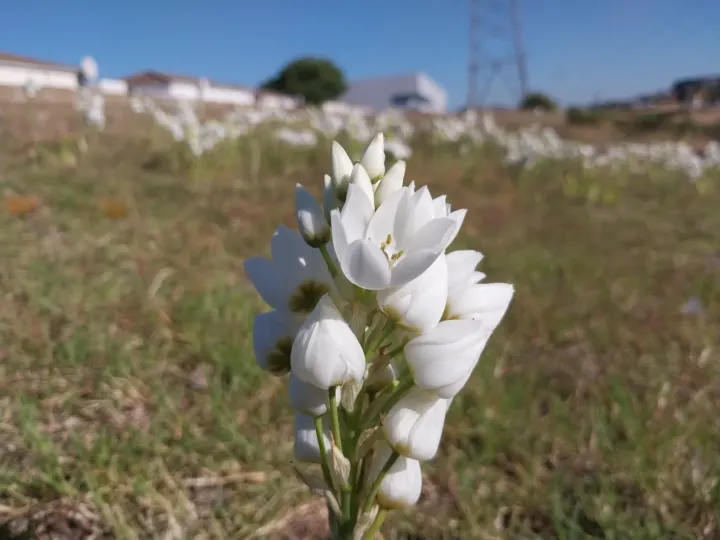
Description
Sowing dates
Ornithogalum thyrsoides, a member of the Asparagaceae family, is a perennial bulbous plant known for its striking inflorescences. Planting typically occurs in the spring once the danger of frost has passed and soil temperatures have warmed to at least 10-12 degrees Celsius.
The bulbs should be planted at a depth of 6 to 10 centimeters, depending on their size, in well-prepared, loose soil. Maintaining a spacing of 15 to 20 centimeters between plants is recommended to allow for optimal airflow and to prevent disease spread within the crop row.
For commercial production, it is vital to select sites with full exposure to sunlight. The plant requires consistent light to develop robust stems and prevent the etiolation that negatively impacts the aesthetic value of the cut flowers.
Before planting, treating the bulbs with a broad-spectrum fungicide is a standard practice to mitigate the risk of soil-borne pathogens. This early intervention significantly reduces the incidence of rot during the initial sprouting phase.
Propagation is primarily achieved through the separation of offsets, or daughter bulbs, during the post-harvest storage period. This ensures that the genetic characteristics of the parent plants are maintained while expanding the overall production area.
Growing requirements
Originating from the Cape region of South Africa, Ornithogalum thyrsoides is distinctly heat-loving and thrives in environments with high light intensity. It is poorly suited for cold, damp climates unless grown within protected greenhouse conditions.
Soil quality is paramount; the plant requires a light, sandy loam with excellent drainage properties. Soils that retain excess moisture can lead to rapid bulb decay, making the incorporation of drainage materials essential in heavier soil profiles.
The optimal pH range for this species is neutral to slightly acidic. Monitoring and adjusting soil acidity ensures better nutrient availability, which directly correlates with the development of large, dense inflorescences during the flowering stage.
Irrigation management requires a balanced approach. While the plant needs regular moisture during its active growth and budding phases, it is imperative to allow the soil to dry slightly between watering cycles to maintain root health.
Nutrient supplementation should focus on phosphorus and potassium to strengthen the flower stalks and facilitate bulb maturity. Excessive nitrogen fertilization should be avoided, as it often results in overly succulent foliage that is more susceptible to disease.
Main diseases and pests
Fusarium basal rot is the most significant threat to the bulb integrity of Ornithogalum thyrsoides. It is often triggered by overly damp soil conditions or poor post-harvest drying, leading to significant yield losses if not managed promptly.
Botrytis, or grey mold, can affect the leaves and flowers under conditions of high humidity and poor ventilation. Regular scouting for early symptoms allows for targeted fungicide application, which is necessary to maintain high market quality.
Root mites and bulb flies are the primary insect threats to this crop. These pests damage the bulb tissue, making it vulnerable to secondary infections. Integrated pest management, including the use of systemic insecticides, is recommended.
Viral diseases represent a critical challenge, often manifesting as mosaic patterns or stunted growth. Since there are no cures for viral infections, rigorous sanitation practices and the elimination of vectors like aphids are crucial for crop health.
A multi-year crop rotation schedule is highly recommended to reduce the buildup of soil-borne inoculum. Ensuring that only clean, certified bulbs are introduced to the field is the foundation of successful disease prevention.
Harvesting
Harvesting for the cut flower market occurs when the lower florets on the thyrse have fully opened. Cutting should be performed using sterilized tools to minimize the transmission of pathogens between individual plants.
Once the flowering period concludes, it is essential to allow the foliage to mature and eventually dry out naturally. This process is crucial for translocating carbohydrates back into the bulb, which supports the plant's survival and subsequent flowering.
After the foliage has completely withered, bulbs are lifted, cleaned of soil, and cured in a well-ventilated, dry environment. Proper curing at 20-25 degrees Celsius for several days helps heal mechanical wounds and prevents storage rot.
For storage, bulbs should be kept in a cool, dry place with temperatures around 10-15 degrees Celsius. Using dry packing materials like peat or coarse sawdust helps maintain a stable environment and prevents the bulbs from desiccating.
In terms of agricultural utility, Ornithogalum thyrsoides is highly valued for its long vase life, making it a premium product for international floriculture markets. Proper post-harvest handling ensures that the blooms maintain their rigidity and color vibrancy.