
Sun star
Ornithogalum dubium Houtt.
Description
Growing requirements
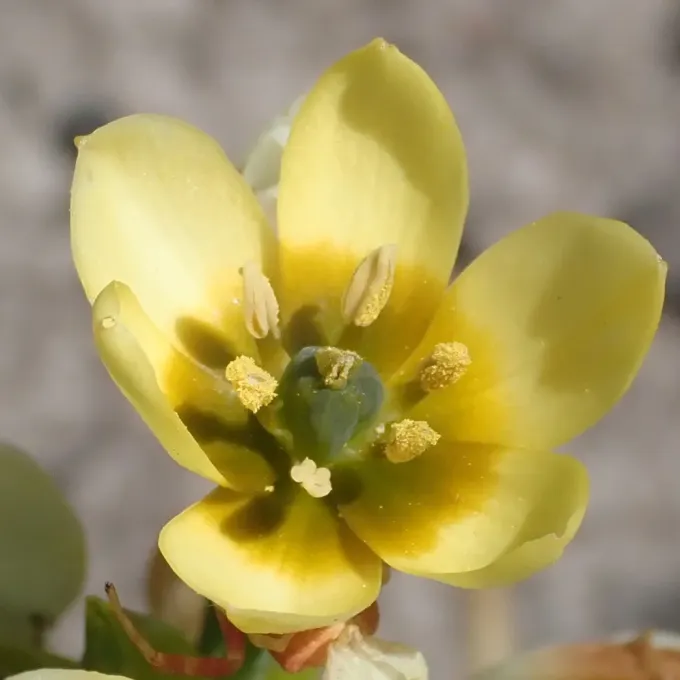
Sun star (Ornithogalum dubium) is a captivating bulbous perennial belonging to the Asparagaceae family. Unlike its relatives, this species is highly valued in the horticultural trade for its vibrant, star-shaped flowers that appear in striking shades of orange, yellow, and sometimes red.
Originating from South Africa, this plant has adapted to temperate climatic conditions and requires a specific environment to flourish. In cultivation, it is primarily grown as a greenhouse crop or a seasonal potted plant, as it is not winter-hardy and requires controlled temperatures to complete its lifecycle.
The cultural requirements dictate a well-draining, porous substrate. Soil aeration is essential for the health of the bulb; thus, adding perlite or coarse sand to the planting medium is standard practice to prevent waterlogging and subsequent rot of the root system.
Optimal growth is achieved with high light intensity, although protection from intense midday sun is necessary to prevent leaf scorch. Regular, moderate watering during the active growth phase is critical, whereas a distinct dry period must be provided once the foliage begins to senesce.
The commercial application of Ornithogalum dubium is focused on the florist market. Its exceptional vase life and unique, saturated color palette make it a premium product in the cut flower industry, contributing significantly to its popularity in international decorative markets.
Main diseases and pests
Root rot caused by various fungi, particularly Pythium and Phytophthora species, represents the primary threat to this crop. These pathogens proliferate in poorly drained soils, attacking the bulb and leading to rapid physiological collapse of the plant.
Pests such as aphids and bulb mites are significant vectors for viral diseases. Monitoring for early signs of infestation and applying systemic insecticides are crucial components of an integrated pest management strategy to ensure high-quality production.
Fusarium wilt is a severe threat that can devastate batches of bulbs. It is primarily managed through strict hygiene, the use of disease-free planting stock, and prophylactic fungicide treatments applied to the bulbs prior to the planting season.
Botrytis blight can affect the inflorescences when humidity levels are excessively high and air circulation is insufficient. Improving the greenhouse environment through active ventilation and maintaining optimal spacing between plants are effective measures to reduce the incidence of this fungal disease.
Proper sanitation of tools and working surfaces is imperative to prevent the mechanical transmission of pathogens between plants. Removing any symptomatic individuals early in the production cycle helps to contain potential outbreaks and protects the integrity of the remaining crop.