
Arabian Starflower
Ornithogalum arabicum L.
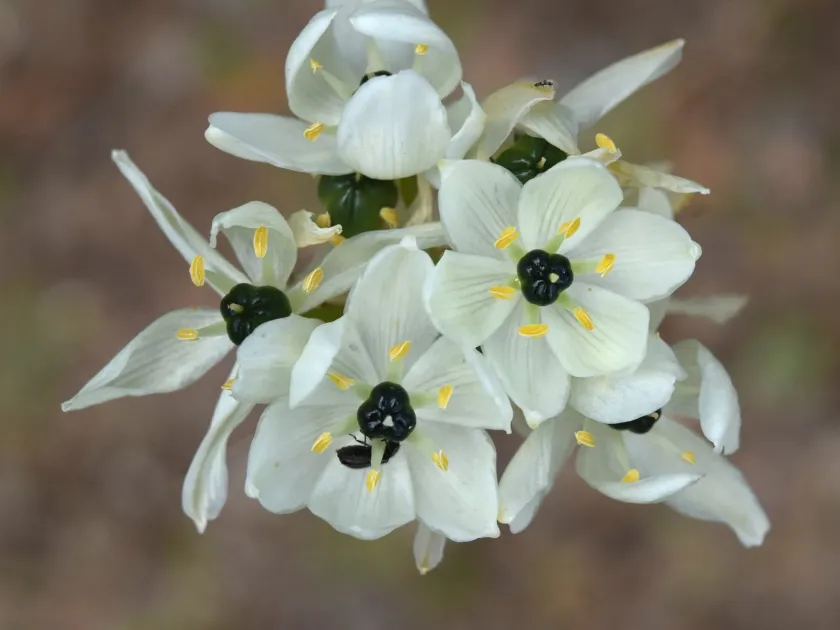
Description
Sowing dates
Planting of Ornithogalum arabicum bulbs is typically conducted in the spring season once the threat of frost has completely passed. The soil temperature should reach at least 15 degrees Celsius to encourage optimal root development and prevent bulb rot.
The bulbs should be planted at a depth of 10 to 15 centimeters, ensuring a proper spacing of approximately 20 centimeters between individual plants. This spacing is crucial to prevent competition for nutrients and to maintain adequate airflow within the foliage.
Selecting a high-quality, disease-free bulb is the first step in successful cultivation. Prior to planting, it is recommended to treat the bulbs with a suitable fungicide to protect them from soil-borne pathogens during the initial stages of establishment.
Preparation of the growing bed includes deep cultivation and the incorporation of well-rotted organic matter or balanced mineral fertilizers. This preparation creates a loose, nutrient-rich medium that supports robust growth throughout the season.
At the end of the flowering period, when the foliage begins to yellow and die back, the bulbs should be carefully lifted from the soil. They should be cleaned, dried, and stored in a cool, dark, and well-ventilated location to prepare for the following season.
Growing requirements
The Arabian Starflower is a member of the Asparagaceae family that thrives in Mediterranean climates. It requires a sunny, open location with full exposure to sunlight to ensure strong stems and high-quality floral displays.
Soil requirements are centered on drainage. Ornithogalum arabicum performs best in sandy or loam soils with excellent permeability; heavy, clay-based soils that retain moisture must be amended with grit or perlite to prevent root asphyxiation.
Watering management is essential: the soil should be kept moderately moist during the active growth phase, but the water supply must be strictly limited once the flowering phase concludes. A dry dormant period is vital for the bulb's physiological health.
Temperature control is key for this heat-loving perennial. While it flourishes in warm environments with temperatures between 18 and 25 degrees Celsius, it has low cold tolerance and must be protected from freezing temperatures in colder geographical zones.
Cultural practices include regular monitoring of soil moisture and surface aeration. Mulching with inorganic materials is an effective strategy to keep the root zone cool while avoiding the risks of fungal proliferation associated with organic mulch layers.
Main diseases and pests
Major phytosanitary threats include fungal diseases such as gray mold (Botrytis) and Fusarium rot. These pathogens thrive in environments with poor air circulation and excessive soil moisture, often resulting in complete loss of the bulb crop.
Common pests affecting the crop include bulb mites and various aphid species that act as vectors for viruses. Integrated pest management strategies, including the use of systemic insecticides and clean planting stock, are essential for maintaining plant health.
Crop rotation is a critical agronomic practice to manage soil-borne disease pressure. It is advised to avoid planting bulbous species in the same site for at least three consecutive years to break the lifecycle of potential pathogens.
Visual inspections during the growth cycle help in the early detection of stress symptoms. Any plant displaying signs of necrosis, unusual wilting, or stunted growth should be removed and destroyed immediately to prevent the spread of disease.
Utilizing high-standard sanitation procedures for all horticultural tools is necessary to prevent cross-contamination. Consistent adherence to these protocols ensures the longevity and productivity of the Arabian Starflower planting site.