
Ornithogalum sphaerocarpum
Ornithogalum sphaerocarpum
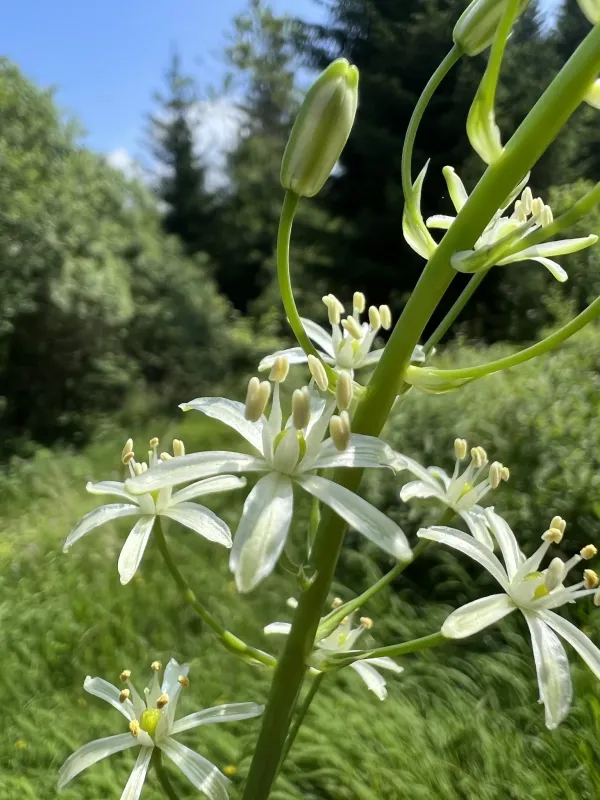
Description
Growing requirements
Ornithogalum sphaerocarpum is a perennial bulbous plant belonging to the Asparagaceae family. Its natural distribution includes parts of Southern Europe and the Mediterranean, where it thrives in well-drained, rocky habitats.
The culture requires sunny locations for optimal growth and flowering. While it is naturally drought-tolerant, it performs best in soils with excellent drainage, as waterlogged conditions in winter can lead to root and bulb decay.
For cultivation, light sandy or loamy soils are preferred. Incorporating grit or coarse sand into the planting hole is highly recommended to improve aeration and prevent standing water around the sensitive bulbs.
Botanically, the species is distinguished by its basal leaves and upright scapes that bear clusters of white or greenish-white flowers. These flowers are known for their resilience and ability to bloom in early to mid-spring depending on the local climate.
The primary use of this plant is ornamental. It is highly valued in rock gardens, borders, and naturalized landscapes for its clean aesthetic and low-maintenance nature once established in the correct soil environment.
Main diseases and pests
The most common health issues for this plant are fungal infections, such as bulb rot or Fusarium, which typically occur due to excessive soil moisture or poor drainage conditions during the dormant period.
Pests that frequently target this species include bulb mites and various soil-dwelling larvae. These pests feed on the tissues of the bulb, creating entry points for pathogens and weakening the plant's structural integrity.
Disease prevention starts with selecting high-quality, healthy bulbs and treating them with an appropriate fungicide before planting. Maintaining a clean garden space by removing decaying plant matter is also crucial.
When pest pressure is detected, systemic insecticides can be applied, though cultural control through proper soil management is often more sustainable for long-term health in ornamental garden beds.
Regular inspection of the foliage and surrounding soil is advisable during the active growth phase. If any signs of discoloration or stunted growth appear, affected areas should be immediately isolated and treated.