
Ornithogalum sinense
Ornithogalum sinense
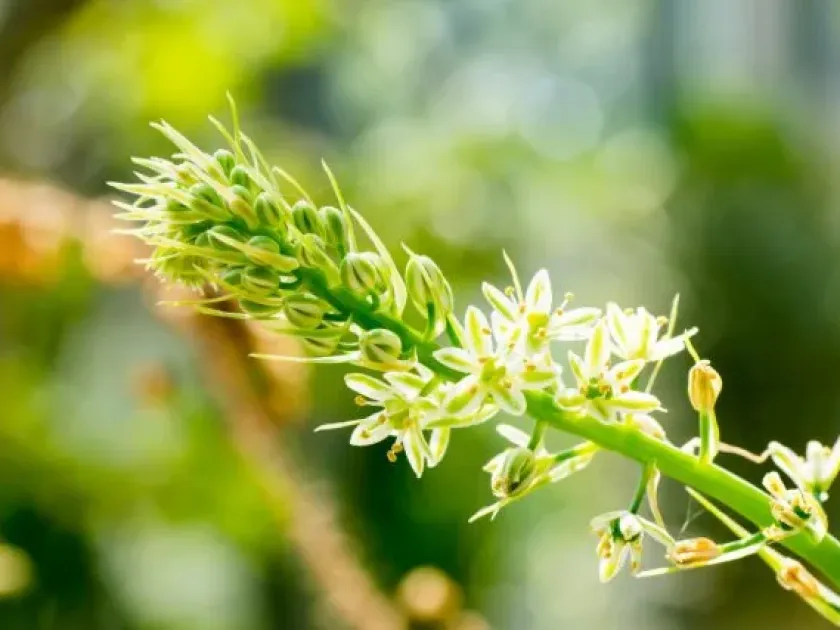
Description
Sowing dates
Planting of Ornithogalum sinense bulbs is ideally performed in the autumn, allowing the plants to establish a robust root system before the onset of winter dormancy. A soil temperature of approximately 10 to 12 degrees Celsius is optimal for the initial growth stage.
In regions experiencing severe winters, planting may be delayed until early spring once the risk of heavy ground frost has subsided. Bulbs should be set at a depth of 8 to 10 centimeters to ensure they remain anchored and protected from surface fluctuations.
Spacing is critical for healthy development; a minimum of 15 to 20 centimeters between bulbs is recommended. Adequate spacing prevents resource competition and allows for sufficient airflow, which is vital for preventing moisture-related issues.
The soil should be prepared by removing all debris and weeds, followed by the incorporation of well-rotted organic matter. A loose, aerated soil structure is essential for the healthy expansion of the bulb system over time.
After planting, applying a layer of mulch, such as pine bark or compost, helps stabilize the soil moisture and temperature levels. This practice is particularly beneficial for young plantings during their first season in the field.
Growing requirements
Ornithogalum sinense, a member of the Asparagaceae family, thrives in well-drained, fertile soils with a neutral pH. Proper soil drainage is the most important factor in site selection, as waterlogged conditions inevitably lead to bulb decay.
The crop requires full sun for optimal performance, though it can tolerate partial shade in hot climates. Inadequate light levels often result in weak, leggy foliage and poor flowering potential during the growing season.
Watering should be managed carefully to provide enough moisture during the active growth phase while ensuring the soil dries out slightly between intervals. Overwatering is a common mistake that compromises the health of the root system.
Nutritional needs are met through balanced fertilization: nitrogen in the early spring to promote leaf growth, and phosphorus-potassium blends before flowering to support vibrant blooms. Avoiding excessive nitrogen is crucial as it may result in overly succulent growth prone to pathogens.
The plants are generally hardy, but they appreciate protection in the form of organic cover during harsh winter conditions. Ensuring the site is free from standing water remains the primary requirement for sustained success.
Main diseases and pests
Fungal infections, particularly Fusarium and Botrytis (grey mold), represent the primary threat to the crop. These conditions are usually triggered by high humidity and poor soil structure, necessitating vigilant monitoring of the bulb health.
Root mites are the most persistent pest threat, as they can cause significant damage to the bulb tissues. Infested bulbs often show signs of stunted growth and general decline, making it necessary to implement integrated pest management.
Preventive treatments with fungicides are advised for bulbs before storage or planting. This step drastically reduces the likelihood of soil-borne pathogens establishing themselves in the garden bed.
Regular weeding and the removal of infected plant debris help maintain a clean growing environment. Maintaining healthy soil biology is the best defense against recurring pest and disease issues in the long term.
- Proper site selection and drainage
- Pre-planting fungicide treatment
- Consistent irrigation management
- Regular inspection for signs of decay
- Strategic removal of infected tissue