
Ornithogalum sigmoideum
Ornithogalum sigmoideum
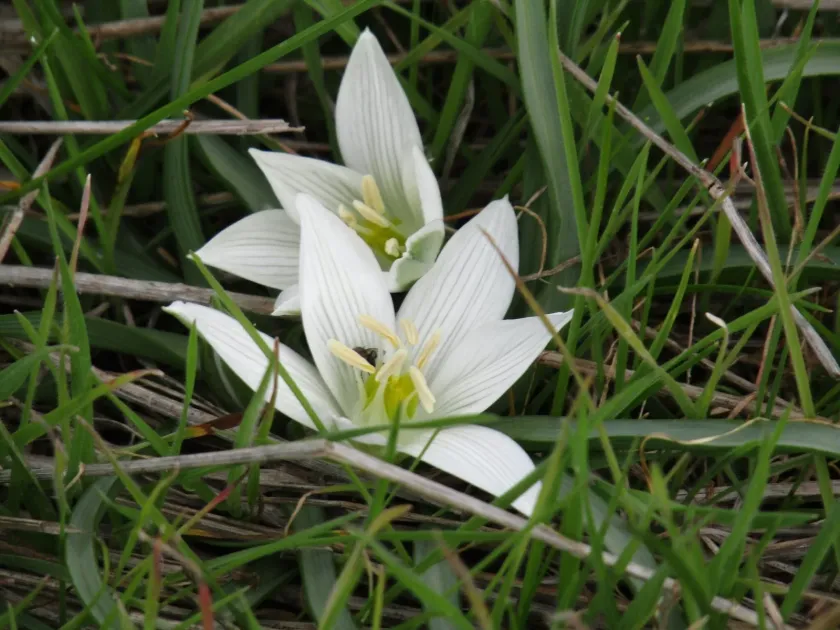
Description
Sowing dates
Planting of Ornithogalum sigmoideum bulbs is best executed in the autumn, allowing the plants to establish roots before the onset of winter dormancy. A soil depth of about 8 to 10 centimeters is generally ideal.
When planting, ensure the site has excellent drainage as the bulb is susceptible to rot in waterlogged conditions. Adding a layer of coarse sand at the base of each planting hole is a recommended agricultural practice.
Spacing should be maintained at 10–15 centimeters between plants. Proper spacing ensures adequate air circulation and nutrient availability, which are vital for healthy flower production in the spring.
If spring planting is necessary, it should be done as early as the soil can be worked. However, autumn planting typically results in stronger plants and more robust flowering for the first season.
After planting, the area should be lightly watered once to settle the soil, then left relatively dry until the onset of the active growing season in the early spring.
Growing requirements
Belonging to the Asparagaceae family, Ornithogalum sigmoideum is a bulbous plant adapted to temperate environments. It is well-suited for rock gardens and borders where soil drainage is prioritized.
The ideal soil profile is light, gritty, and moderately fertile. Heavy clay soils must be amended with organic matter and gravel to prevent the accumulation of moisture around the root zone.
Sunlight requirements are significant; this species thrives in full sun but can tolerate light, dappled shade provided by deciduous trees during the spring flowering window.
The plant is remarkably hardy, surviving winter cold by retreating into its bulb. It requires a distinct dormant period during the summer months when soil moisture should be minimal.
Watering should be managed carefully; provide moisture during the spring growth phase but discontinue watering once the foliage begins to yellow and die back in early summer.
Main diseases and pests
The primary concern for Ornithogalum sigmoideum is fungal root rot, often triggered by excessive soil humidity. Maintaining a dry summer environment for the bulbs is critical for preventing these pathogens.
Bulb mites can be a significant pest, particularly in stored bulbs or stressed plants. Inspection of bulbs before planting and proper storage conditions can mitigate this risk significantly.
Slugs and snails may occasionally feed on emerging spring shoots. Barriers such as crushed eggshells or environmentally safe slug pellets can be employed during the early spring growth period.
Botrytis or gray mold can affect the foliage during particularly damp and cool springs. Ensuring good spacing and air movement around the clumps is the most effective preventative measure.
Viral infections can occasionally occur, manifesting as leaf mottling. Infected plants should be removed and destroyed to prevent the spread of the virus through insect vectors or mechanical tools.
Harvesting
Cultivation of this species is primarily focused on its use as an ornamental spring flower. Bulbs for multiplication are harvested during the dormant phase, usually in late June or July.
When the foliage has completely withered, the bulbs can be carefully lifted from the soil. They should be cleaned of debris and inspected for signs of damage or decay before being stored.
Storage requires a cool, dry, and dark environment. Packing the bulbs in dry peat or sawdust helps regulate moisture levels and prevents the bulbs from dehydrating or sprouting prematurely.
As a cut flower, Ornithogalum sigmoideum stems can be harvested as the buds begin to open. They provide excellent longevity in a vase when the water is changed regularly.
For sustainable gardening, it is advised to divide overcrowded clumps every three to four years, which invigorates the plants and prevents the depletion of soil nutrients in the immediate area.