
Ornithogalum saundersiae
Ornithogalum saundersiae
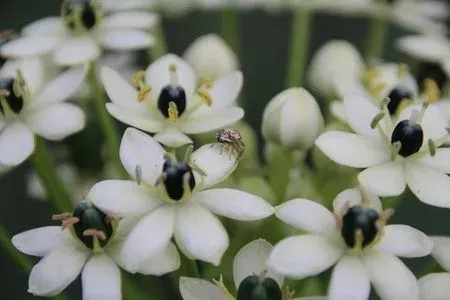
Description
Sowing dates
Planting of Ornithogalum saundersiae bulbs should take place in spring once the soil temperature has consistently reached 15 degrees Celsius. In cooler regions, starting bulbs in pots indoors is highly recommended to extend the growing season.
The bulbs should be planted at a depth of 10–15 centimeters, depending on the soil texture. Proper spacing of 25–30 centimeters is crucial to ensure adequate airflow and prevent overcrowding during the peak growth phase.
Choose a location that receives full, direct sunlight throughout the day. This species is heliotropic in its needs, and any shade will result in weak, floppy stems that are unsuitable for commercial cut flower production.
Soil preparation is essential for this crop. Incorporating organic matter, such as well-rotted compost, ensures better drainage and provides a stable source of nutrients for the emerging shoots.
For large-scale cultivation, planting in raised beds can significantly improve drainage, reducing the risk of waterlogging which is a primary cause of bulb failure in this species.
Growing requirements
Ornithogalum saundersiae, a member of the Asparagaceae family, originates from South Africa. It thrives in warm climates and does not tolerate freezing temperatures, making annual lifting of bulbs necessary in temperate zones.
The ideal soil for this crop is light, sandy loam with excellent drainage properties. The species is highly sensitive to damp, anaerobic conditions, which promote fungal growth and rapid bulb decay.
Irrigation should be managed carefully: provide consistent moisture during the active vegetative growth phase, but allow the soil to dry out significantly once flowering is completed and the foliage begins to senesce.
Temperatures ranging from 20 to 28 degrees Celsius are optimal for development. Providing shelter from strong, drying winds is beneficial for maintaining the structural integrity of the long flower stalks.
Regular fertilization with a balanced NPK ratio, with a focus on potassium during the pre-flowering stage, helps strengthen the plant tissues and encourages the development of high-quality offsets for future seasons.
Main diseases and pests
The most significant threat to Ornithogalum saundersiae is Botrytis and various forms of root and bulb rot. These pathogens thrive in high humidity and poorly drained soils, often appearing after heavy rain events.
Preventive measures include the application of appropriate systemic fungicides as a pre-planting soak. It is also critical to inspect every bulb for signs of physical damage or decay before placing them in the soil.
Insect pests, including aphids and thrips, can cause damage by feeding on the sap, which not only stunts the plant but can also serve as a vector for viral diseases that reduce overall productivity.
Regular field scouting is necessary to catch infestations early. Implementing integrated pest management strategies, such as the introduction of beneficial insects, can reduce the need for chemical interventions.
Strict sanitation practices, such as removing and destroying affected plant material, are essential to preventing the spread of diseases within the crop and maintaining high yield quality over successive years.
Harvesting
The primary use of Ornithogalum saundersiae in agriculture is for the cut flower market. The plant produces large, striking, cone-shaped inflorescences that are highly valued for their exceptional vase life.
Harvesting should occur when approximately half of the florets have opened. Cutting at this stage ensures that the flowers continue to develop fully while providing the customer with a longer-lasting display.
After harvesting, stems should be processed immediately by trimming the bases and placing them in clean water with a preservative to maintain hydration and prevent premature wilting of the delicate petals.
For bulb propagation, plants are lifted in late autumn after the foliage turns yellow and dies back naturally. Clean the bulbs of soil, discard any diseased specimens, and dry them in a well-ventilated, shaded area.
Store the harvested bulbs in dry conditions at approximately 12–15 degrees Celsius until the next planting cycle to ensure they remain dormant and free from sprouting before the spring season begins.