
Ornithogalum sardienii
Ornithogalum sardienii
Description
Growing requirements
Ornithogalum sardienii is a fascinating succulent bulbous plant belonging to the Asparagaceae family. Native to the arid regions of South Africa, it has evolved to survive in harsh, water-scarce environments.
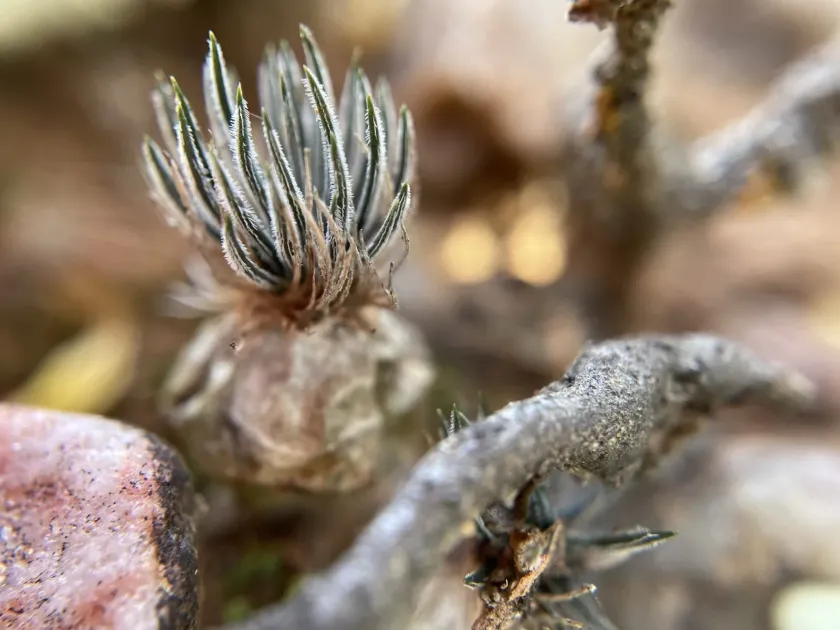
Botanically, this species is distinguished by its unique bulb structure, which is typically covered in papery, exfoliating tunics. The foliage consists of delicate, thread-like leaves that are adapted to minimize water loss through transpiration.
When cultivating this species, soil composition is critical. A highly mineral-based substrate, such as a mixture of coarse sand, perlite, and fine gravel, is essential to ensure rapid drainage and prevent the roots from sitting in stagnant moisture.
The plant requires significant light exposure to maintain its compact form. In an indoor setting, a south-facing windowsill or supplemental artificial lighting is necessary to prevent etiolation and maintain the health of the bulb.
Temperature management is crucial: during the active growing season, temperatures between 20°C and 25°C are optimal. During the winter dormancy period, the plant should be kept in a cooler environment, ideally around 10°C to 12°C, to mimic its natural cycle.
Main diseases and pests
The most significant threat to Ornithogalum sardienii is overwatering, which quickly leads to bulb rot. Once the internal tissues of the bulb begin to decay due to excess moisture, the plant is often difficult to rescue.
Pest issues commonly involve mealybugs and spider mites. Mealybugs often hide in the crevices of the dry bulb tunics, making them difficult to detect and eradicate without thorough inspection and systemic treatment.
Preventative care involves ensuring good air circulation around the bulb and using sterile soil mixtures. If an infestation is detected, treating the plant with a mild systemic insecticide specifically formulated for succulents is recommended.
Regular monitoring of the bulb's firmness is a simple way to track plant health. A soft or mushy bulb is an immediate indicator of root damage or fungal infection, necessitating an emergency check of the substrate and root ball.
Providing a dry winter rest is the best defense against pathogens. By strictly limiting water during the dormancy period, you allow the plant to harden off and resist the development of opportunistic fungal diseases.