
Ornithogalum polyphyllum
Ornithogalum polyphyllum
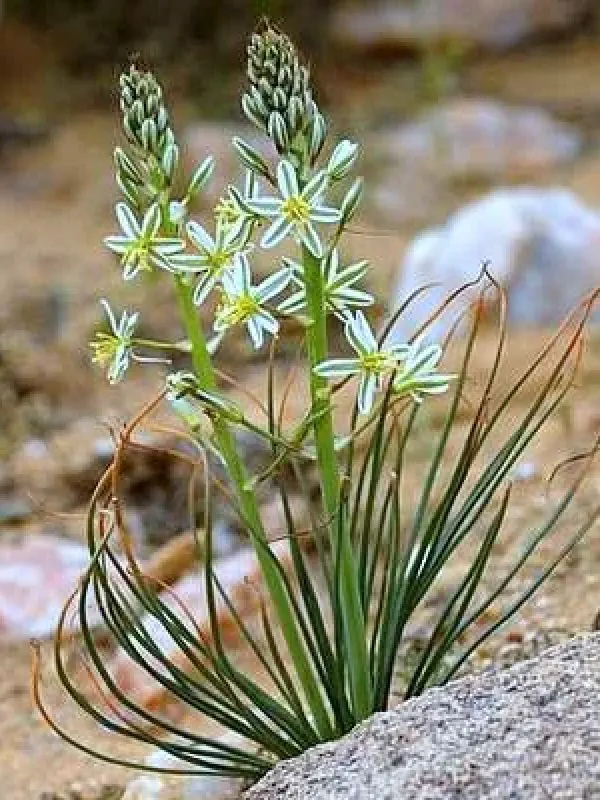
Description
Sowing dates
Planting bulbs of Ornithogalum polyphyllum is typically performed during the autumn season, allowing the root system to establish before the onset of winter.
In regions with colder climates, spring planting is a viable alternative, provided the soil has warmed up sufficiently to support initial growth and development.
The bulbs should be planted at a depth of approximately 5 to 10 centimeters, ensuring that the soil medium provides adequate structural support for the stems.
When propagating via seeds, sowing should be done in prepared seed beds or containers during the late autumn to ensure natural stratification occurs.
Spacing requirements are essential for this species, with a recommended distance of 15–20 centimeters between individual bulbs to allow for proper foliage expansion.
Growing requirements
As a member of the Asparagaceae family, Ornithogalum polyphyllum thrives in locations that offer full exposure to sunlight for the majority of the day.
The soil must be characterized by excellent drainage properties, as waterlogging will inevitably lead to rot within the sensitive bulb structures of the plant.
Light, sandy or loamy soil textures with a neutral to slightly alkaline pH are ideal for promoting healthy growth and vibrant floral displays during the season.
Consistent moisture levels should be maintained during the active growth phase, although the plant is relatively resilient to brief periods of drought once established.
Regular fertilization with low-nitrogen, high-potassium formulas encourages stronger flower stalks and enhances the overall longevity of the perennial clumps.
Main diseases and pests
The primary pathological threats to this crop include various fungal infections, particularly botrytis and fusarium, which are exacerbated by excessive soil humidity.
Pests such as bulb mites and nematodes pose a significant risk, as they bore into the bulb tissues, leading to stunted growth and eventual plant mortality.
Proactive management includes treating bulbs with fungicides before planting and maintaining a strict rotation to prevent the buildup of soil-borne pathogens.
Weed control is mandatory, as competing vegetation can impede airflow around the foliage, creating a microclimate that favors the rapid spread of diseases.
Regular inspection of the basal areas and leaves is recommended to detect early signs of infestation and to enable prompt intervention with suitable treatments.