
Ornithogalum ornithogaloides
Ornithogalum ornithogaloides
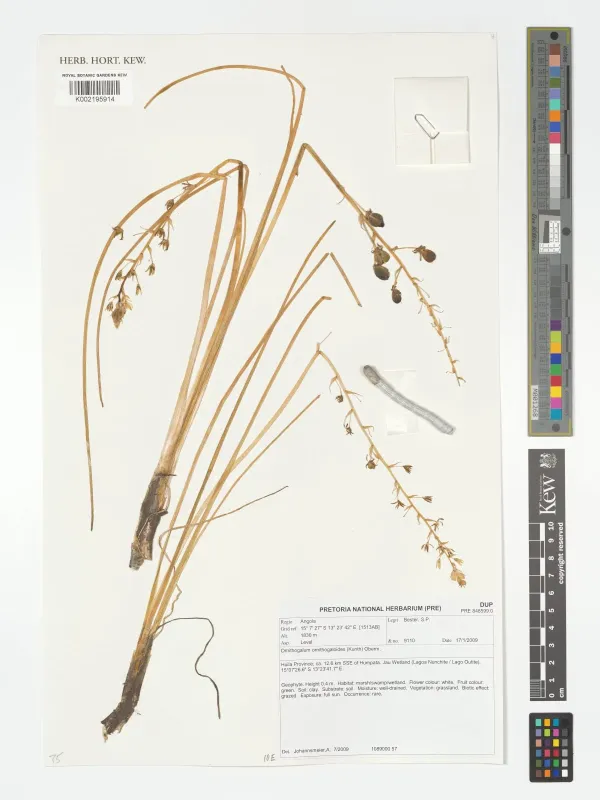
Description
Sowing dates
The planting of Ornithogalum ornithogaloides, a member of the Asparagaceae family, is typically carried out in the autumn months, specifically September or October. This timing allows the bulbs to establish a robust root system before the onset of winter dormancy.
In regions characterized by severe winters, spring planting is an alternative method. It should be performed as soon as the soil has completely thawed and reached a temperature suitable for active root development, ensuring consistent moisture during the establishment phase.
Bulbs should be planted at a depth ranging from 6 to 10 centimeters, depending on the individual bulb size and soil density. A spacing of 10 to 15 centimeters between plants is recommended to facilitate optimal airflow and minimize competition for soil nutrients.
Selecting a suitable site is paramount for success. The plant thrives in well-lit areas with full sun or partial shade, requiring soil that is fertile, structural, and rich in organic matter to support the plant's metabolic processes throughout the growing season.
To enhance drainage, especially in heavier soil types, adding a layer of coarse sand or gravel at the base of the planting trench is a standard practice. This simple agrotechnical step effectively prevents waterlogging at the base of the bulb, a frequent cause of rot.
Growing requirements
This crop prefers loose, well-drained loamy or sandy soils with a neutral pH level. Soil structure is critical, as stagnant moisture is the primary factor limiting the productive longevity and health of the bulbous rootstock during the vegetative cycle.
Water management is vital; while the plant possesses some degree of drought resistance, it requires regular moisture during the active leaf-growth stage. However, it is essential to avoid over-irrigation, as excessive water saturation significantly increases the risk of fungal infections.
The ideal temperature range for growth is between +15 and +22 degrees Celsius. During the peak of summer, when the plants enter their natural period of dormancy, mulching the soil surface helps maintain a stable, cooler root environment and prevents excessive thermal fluctuations.
Fertilization should be managed carefully, favoring balanced mineral formulations with a lower nitrogen ratio to promote bulb maturity rather than excessive vegetative leaf growth. Micronutrients are best applied during the early phase of spring development.
Field maintenance involves frequent inter-row cultivation to maintain soil aeration and suppress weed growth. Effective weed control is necessary not only for nutrient management but also to reduce humidity levels around the foliage, which helps limit pathogen pressure.
Main diseases and pests
Fungal diseases, such as grey mold (Botrytis), represent the most significant threat to the crop, particularly when cultivation conditions involve high humidity or poor field drainage. These pathogens can rapidly colonize plant tissues, leading to systemic decay.
Fusarium wilt is a common and destructive condition that specifically attacks the basal plate of the bulb. Once infected, the vascular tissue of the plant is compromised, leading to rapid yellowing and death, necessitating the immediate removal of affected plants to prevent spread.
Root mites are the primary pests affecting this species, causing mechanical damage to the bulb tissue and creating entry points for secondary bacterial or fungal infections. Severe infestations can deplete the bulb's reserves, rendering it unable to produce healthy foliage.
The onion fly larva is another potential pest that tunnels into the plant tissues. Integrated pest management strategies, including crop rotation and the application of systemic insecticides if required, are critical to maintaining plant health during the growing period.
Proactive disease management starts with the selection of healthy planting material and prophylactic fungicide treatments before burial. Such measures significantly reduce the incidence of soil-borne pathogens and ensure higher survival rates in the field.
Harvesting
The harvesting of the bulbs should be performed once the aerial parts of the plant have visibly withered and turned yellow, signaling that the bulbs have reached maturity and entered their biological dormant state, typically mid-summer.
Bulbs must be excavated carefully, minimizing mechanical trauma to the outer layers, which serve as protective barriers against environmental pathogens. Post-harvest, all soil and necrotic root tissue should be removed to prepare the bulbs for drying.
Drying should occur in a well-ventilated, shaded area at temperatures around +18 to +20 degrees Celsius. Exposure to direct sunlight must be strictly avoided, as it causes rapid dehydration and potential tissue damage that could compromise future growth potential.
Bulb cluster division is usually conducted during the dormant phase to ensure optimal spacing and rejuvenate the planting bed. Sorting the bulbs by size helps in managing uniformity in future production cycles and allows for the removal of any diseased or damaged individuals.
Storage requires a cool, dry, and dark environment with excellent airflow. Regular inspection of the stored bulbs allows for the early detection and disposal of any individual bulbs exhibiting signs of decay, thereby protecting the overall integrity of the harvested batch.