
Ornithogalum oreoides
Ornithogalum oreoides
Description
Growing requirements
Ornithogalum oreoides is a perennial bulbous plant belonging to the Asparagaceae family. Originally native to mountain environments, this species is well-adapted to rocky terrains and varying climatic conditions, making it a unique addition to specialized garden collections.
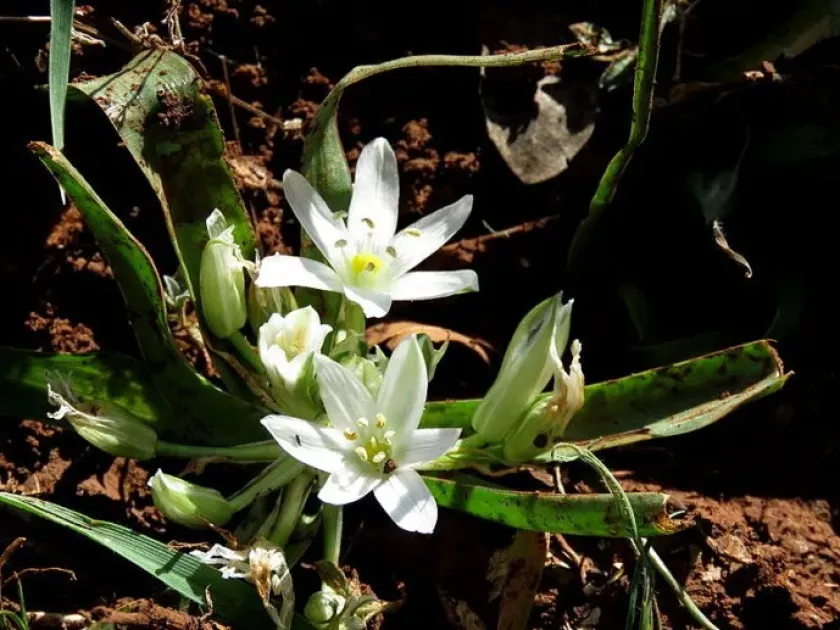
The plant features a small to medium-sized bulb and narrow, basal leaves that emerge in early spring. Its inflorescence, typically consisting of white, star-shaped flowers, is its primary feature, attracting various pollinators during the spring blooming season.
Successful cultivation requires soil with excellent drainage properties. Ornithogalum oreoides is highly sensitive to waterlogged conditions, which can lead to bulb decay. Sandy or rocky soils are ideal, reflecting the plant's natural mountainous habitat.
Regarding light, the plant thrives in full sun exposure. While it is quite drought-tolerant once established, providing consistent moisture during the active growth period will enhance the size and health of the flowering spikes.
Standard agrotechnical practices for this species include ensuring sufficient space between bulbs to improve airflow. Minimal fertilization is usually sufficient, as the plant is adapted to nutrient-poor soils found in mountain ridges.
Main diseases and pests
Fungal diseases, specifically Fusarium and Botrytis, remain the most significant threats to Ornithogalum oreoides. These pathogens thrive in stagnant humidity and can cause rapid necrosis of the bulb tissues if not managed early.
Pest pressure from aphids and bulb mites can also compromise the plant's vigor. Growers should inspect the foliage regularly and apply appropriate insecticidal treatments if signs of infestation occur to ensure long-term plant survival.