
Ornithogalum oligophyllum
Ornithogalum oligophyllum
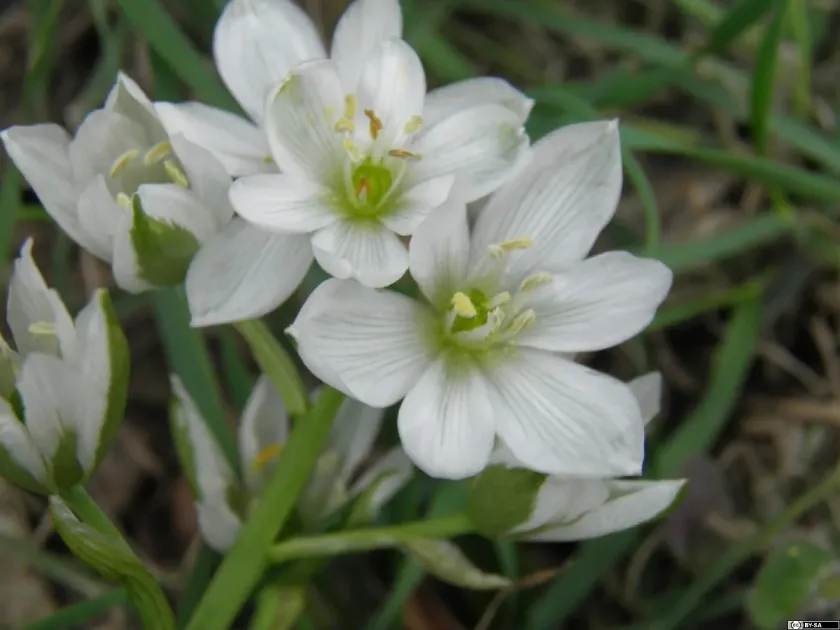
Description
Growing requirements
Ornithogalum oligophyllum is a bulbous perennial belonging to the Asparagaceae family. This species is a classic spring ephemeral, completing its vegetative cycle quickly before the onset of summer heat.
Native to the mountainous terrains of the Caucasus and parts of Asia Minor, it thrives in rocky, well-draining soils. It is well-adapted to the cool climate of high-altitude regions, making it a robust choice for temperate gardens.
The culture requires a sunny location with porous, nutrient-rich soil. While it prefers moist conditions during the early growth stage, the bulbs must be kept relatively dry during their dormant summer phase.
Cultivation practices involve applying balanced fertilizers early in the season to support bulb expansion. Propagation is primarily achieved through the division of offsets produced by the mother bulb.
The species is best suited for rock gardens, borders, or naturalistic plantings where its delicate flowers can be appreciated during the early spring season.
Main diseases and pests
The primary threats to Ornithogalum oligophyllum are fungal pathogens, specifically those causing basal rot, which are triggered by waterlogged soil during early spring growth.
Insects such as bulb mites and onion flies represent significant pests that can destroy the root systems, necessitating periodic inspection and soil management.
To maintain a healthy planting, it is critical to ensure proper drainage by incorporating coarse sand or grit into the planting holes to avoid stagnation.
Slug and snail control may be necessary during wet springs, as these pests tend to graze on young foliage, potentially weakening the bulbs for the following season.
Sanitation practices, such as removing decaying plant debris and ensuring adequate spacing between bulbs, help to mitigate the risk of infectious diseases within the flower bed.