
Ornithogalum neurostegium
Ornithogalum neurostegium
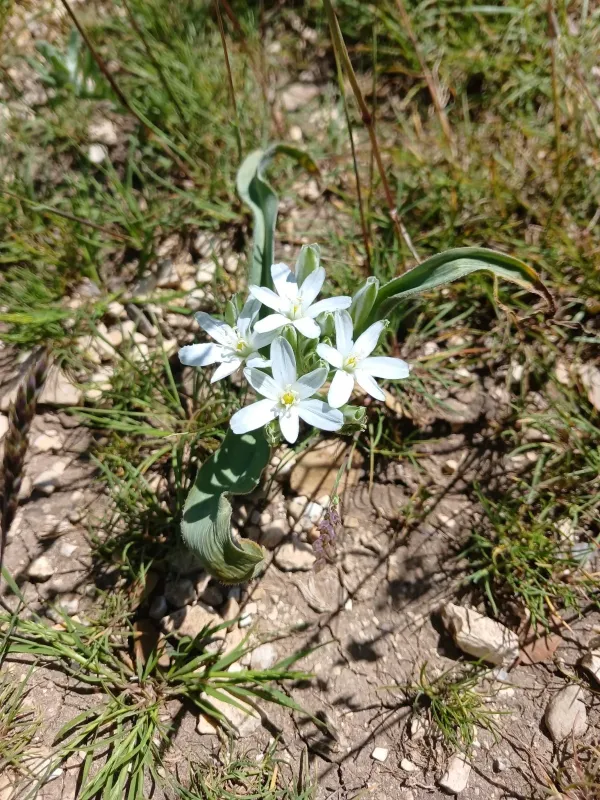
Description
Sowing dates
Planting Ornithogalum neurostegium should typically be performed in autumn to ensure the bulbs establish a strong root system before the ground freezes. This timing is critical for the plant's winter hardiness.
When planting in spring, ensure the soil temperature has reached a stable level, ideally around 10 to 12 degrees Celsius. The planting depth should be consistent, usually 8-10 centimeters, to protect the bulb from environmental fluctuations.
Proper spacing is essential to prevent overcrowding and ensure adequate airflow between plants. Maintain a distance of 15-20 centimeters between bulbs to promote healthy leaf development and reduce the risk of diseases.
Adding a layer of coarse sand at the bottom of the planting hole helps improve drainage, which is vital for bulb longevity. This simple technique significantly enhances the survival rate of the crop.
Following the planting process, apply a light mulch cover to maintain soil moisture and provide insulation against early frost. This practice creates a more stable environment for the developing roots.
Growing requirements
As a member of the Asparagaceae family, Ornithogalum neurostegium thrives in sunny locations with full sun exposure. It adapts well to various settings, provided the site receives at least 6-8 hours of direct light daily.
The crop prefers well-drained, fertile soil with a neutral pH level. It is highly intolerant of waterlogged conditions, which can lead to rapid bulb decay and overall plant failure during the growing season.
Although the plant is drought-tolerant, consistent hydration during the active growth phase produces better floral displays. Avoid overwatering during the dormancy period to prevent stress to the bulbs.
Balanced fertilization with low-nitrogen, high-phosphorus formulas supports root health and flower quality. Applying these nutrients during the early stages of spring ensures the plant has energy for the blooming cycle.
During winter, providing protection in colder climates is advisable. Covering the bed with straw or pine needles protects the bulbs from extreme temperature drops and prevents soil compaction.
Main diseases and pests
Fungal infections, particularly Fusarium wilt, are the primary threat to the health of Ornithogalum neurostegium. These pathogens are most active when soil moisture levels are consistently too high.
Pests such as thrips and bulb mites can damage the leaves and bulbs, potentially leading to stunted growth. Integrated pest management, including regular scouting, is necessary to keep populations under control.
Botrytis blight may affect the plant under conditions of poor ventilation and high humidity. Keeping the planting area clean of debris and weeds reduces the likelihood of these fungal outbreaks.
Effective crop management includes the removal and destruction of any infected plants to prevent the spread of disease to healthy stock. This sanitation practice is crucial for long-term cultivation success.
Pre-planting treatment of bulbs with fungicide can significantly reduce the incidence of soil-borne diseases. This preventative measure is a best practice for professional bulb production.