
Ornithogalum multifolium
Ornithogalum multifolium
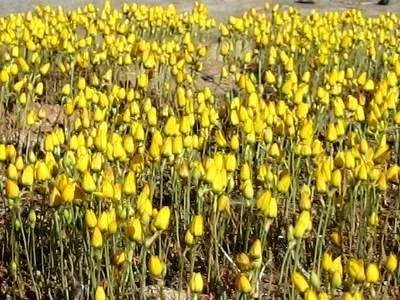
Description
Growing requirements
Ornithogalum multifolium is a perennial bulbous plant belonging to the Asparagaceae family. Native to the Cape region of South Africa, this species has evolved in a Mediterranean-type climate characterized by wet winters and hot, dry summers, which directly dictates its specific cultivation requirements.
The plant is botanically distinguished by its cluster of numerous thin, channelled leaves arising from a single bulb, which makes it distinct within the Ornithogalum genus. During its blooming phase, it produces racemes of small, star-shaped white flowers that attract pollinators in its native habitat.
To cultivate this species successfully, growers must provide excellent drainage, as the bulbs are highly susceptible to rot if left in stagnant water. A sandy or gritty soil mix is essential, preferably in a raised bed or a pot where moisture levels can be managed strictly throughout the year.
Environmental conditions play a crucial role in the survival of this plant; it requires full sun exposure to thrive and develop healthy bulbs. In climates prone to frost, Ornithogalum multifolium should be treated as a container plant that is kept in a dry, frost-free location during the dormant winter months.
In terms of agricultural and horticultural use, this plant is primarily valued as an ornamental specimen for rock gardens and conservatory collections. Its unique foliage and early flowering habit make it a preferred choice for enthusiasts who focus on exotic, drought-tolerant bulbous species.
Main diseases and pests
The primary threats to this culture are fungal diseases, particularly Botrytis or various soft rots, which often occur due to improper watering regimes during the growing season. Additionally, in indoor or greenhouse cultivation, aphids and spider mites can occasionally cause damage to the tender foliage if not monitored regularly.