
Ornithogalum lithopsoides
Ornithogalum lithopsoides
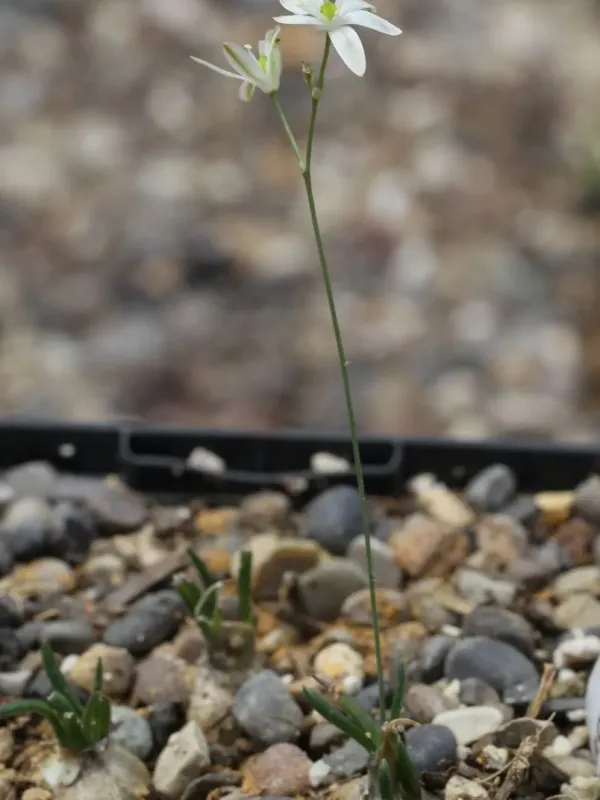
Description
Growing requirements
Ornithogalum lithopsoides is a distinctive species within the Asparagaceae family. This succulent bulbous plant exhibits unique evolutionary adaptations that allow it to thrive in arid environmental conditions.
The plant originates from the arid regions of Southern Africa, where it has evolved to survive extended droughts. Its compact structure is a primary biological feature that protects the plant from intense solar radiation.
For successful cultivation, a well-draining, mineral-based substrate is essential. Avoid organic-rich potting mixes, as they retain too much moisture, which is detrimental to the plant's root system.
The plant requires high levels of ambient light to maintain its compact growth habit. In indoor environments, placing the plant in a position with full sun exposure is crucial for its development.
Temperature control should mimic the seasonal cycle of its natural habitat. During the winter dormant phase, the plant requires cooler temperatures and virtually no water to prevent physiological stress.
Main diseases and pests
Root rot is the most significant threat to Ornithogalum lithopsoides, usually caused by improper irrigation practices or poor soil drainage. Once rot sets into the bulb, recovery is rarely possible.
Mealybugs are common pests that pose a challenge to succulent collectors. These insects hide in the tight leaf axils, making manual removal difficult and requiring systemic insecticidal treatment.
Fungal infections can proliferate if ventilation is insufficient. Stagnant air coupled with even slight humidity creates the perfect environment for pathogens to attack the weakened plant tissues.
Root mites can cause severe damage by feeding on the base of the bulb. Regular inspection of the root system during repotting is necessary to detect and mitigate these infestations early.
Avoiding physical damage during handling is critical. Open wounds on the succulent leaves or bulb allow bacteria to enter, which can lead to rapid decay of the entire specimen within a few days.