
Ornithogalum hispidum
Ornithogalum hispidum
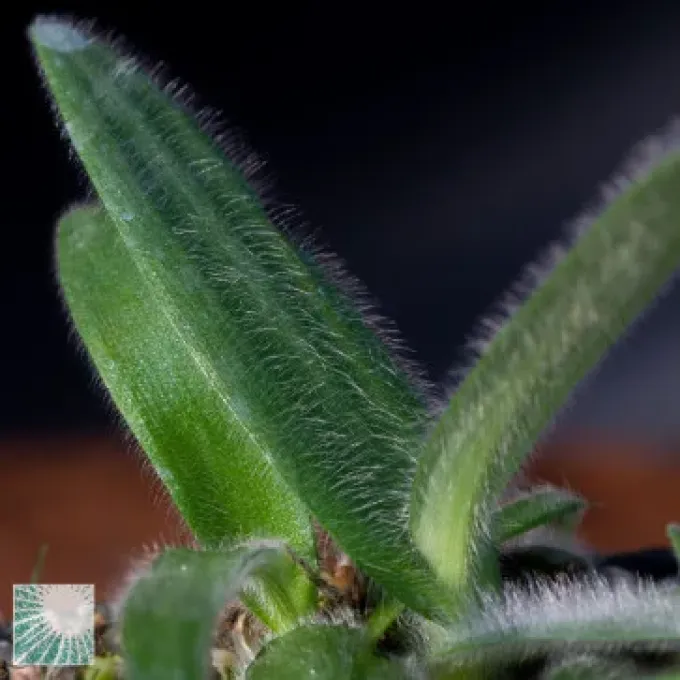
Description
Growing requirements
Ornithogalum hispidum is a perennial bulbous plant belonging to the Asparagaceae family. Originating from the arid regions of Southern Africa, it has adapted to specific climatic cycles that necessitate careful management when grown as a cultivated plant.
The plant thrives in well-drained, porous soils that prevent moisture accumulation around the bulb. In agricultural or garden settings, incorporating grit or coarse sand into the substrate is essential to maintain optimal soil aeration and prevent root rotting.
In terms of light exposure, this species demands bright, direct sunlight to sustain its characteristic growth pattern. Without adequate light, the plant will struggle to bloom, and the foliage may become etiolated, reducing the aesthetic and botanical value of the specimen.
Climate requirements involve distinct wet and dry phases. During the active growth season, temperatures should remain stable between +18 and +25 degrees Celsius, while a period of dry dormancy at lower temperatures is required after the foliage fades to reset the bulb's development cycle.
Primarily used in ornamental horticulture, Ornithogalum hispidum is a prized species for specialized bulb collections and greenhouse environments. Its unique structural appearance makes it a popular choice for enthusiasts focusing on exotic and drought-tolerant bulbous flora.
Main diseases and pests
The most critical threats to the health of Ornithogalum hispidum are soil-borne fungal pathogens, particularly bulb rot and basal rot. These issues are almost exclusively associated with overwatering or poorly drained substrates during the dormant phase.
Pest pressure often comes from bulb mites and aphids. Bulb mites are particularly destructive as they feed on the internal scales of the bulb, often leaving the plant impossible to recover once the infestation reaches advanced stages of damage.
Systemic insecticides are recommended for controlling sap-sucking insects like aphids, which can act as vectors for various mosaic viruses. Viral diseases, once established, are difficult to treat, making preventative pest control essential for maintaining healthy crops.
Care must be taken when handling this species, as contact with the plant's sap can cause skin irritation. Gardeners should wear protective gloves, especially when dividing bulbs or cleaning the foliage, to avoid allergic or toxic reactions.
Implementation of a strict hygiene protocol, including the sterilization of potting benches and tools, significantly reduces the risk of spreading pathogens. Rotating locations for outdoor plantings also helps in breaking the lifecycle of persistent soil-dwelling pests.