
Ornithogalum fuscescens
Ornithogalum fuscescens
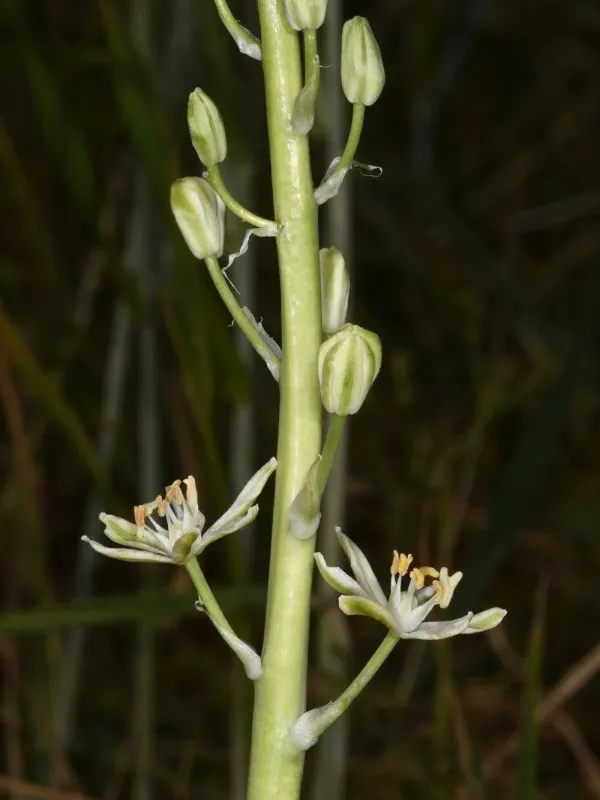
Description
Sowing dates
The planting of Ornithogalum fuscescens is best performed in the autumn, allowing the bulbs to establish their root systems before the onset of winter dormancy. Proper timing ensures that the plant enters the next growing season with maximum energy reserves.
In regions with extremely cold winters, spring planting is an alternative, provided the soil has adequately thawed and warmed up. Bulbs should be planted at a depth of 5 to 10 centimeters, maintaining a spacing of 10–15 centimeters between specimens.
Proper drainage is essential at the sowing stage; placing a small amount of coarse sand at the bottom of the planting hole helps prevent water accumulation. This simple technique significantly reduces the risk of bulb rot in heavy soils.
When selecting bulbs for planting, it is crucial to choose firm, disease-free specimens. Treating them with a fungicide solution prior to placement in the ground enhances their resistance to soil-borne pathogens during the critical initial growth phase.
Periodic division of bulb clusters is recommended every 3–4 years to maintain plant vigor. Overcrowded bulbs often exhibit reduced flower production and are more susceptible to disease outbreaks due to poor air circulation.
Growing requirements
Ornithogalum fuscescens, a member of the Asparagaceae family, thrives in well-lit environments with full sun or light partial shade. It requires a fertile, permeable soil structure to prevent the accumulation of excess moisture.
The ideal soil for this crop is a light, sandy loam or well-drained loam with a neutral to slightly acidic pH. Avoid sites prone to waterlogging, as the bulbs are highly sensitive to prolonged damp conditions which lead to decay.
While the plant is relatively hardy, it benefits from a layer of organic mulch during the winter months, especially in northern regions. Mulching serves as an insulator, protecting bulbs from extreme temperature fluctuations.
Regular but moderate watering is necessary during the active growing season. It is imperative to avoid overhead irrigation late in the day to minimize the duration of leaf wetness, which can encourage fungal development.
Fertilization should be handled carefully; a balanced mineral fertilizer applied in early spring supports healthy foliage development, while a second application at the start of budding promotes vigorous flowering.
Main diseases and pests
The primary threats to this crop include fungal infections such as bulb rot and Fusarium wilt. These diseases are exacerbated by high soil moisture levels and poor soil aeration, necessitating proactive water management strategies.
Pests such as bulb mites and thrips pose a significant challenge. These insects can tunnel into the bulbs, causing structural damage and facilitating the entry of secondary bacterial and fungal pathogens.
Effective pest management involves the regular inspection of planting material and the use of targeted systemic insecticides when infestation levels exceed economic thresholds. Removing and destroying affected plants is essential for containment.
Proactive disease control includes the application of protective fungicides during the early leaf emergence stage. Maintaining clean gardening tools and ensuring adequate space between plants significantly limits the spread of disease.
Slugs and snails can also affect the aesthetic value of the plants during rainy periods. Implementing barrier methods or using eco-friendly control measures helps in protecting the young foliage from being consumed by these pests.