
Ornithogalum fischerianum
Ornithogalum fischerianum
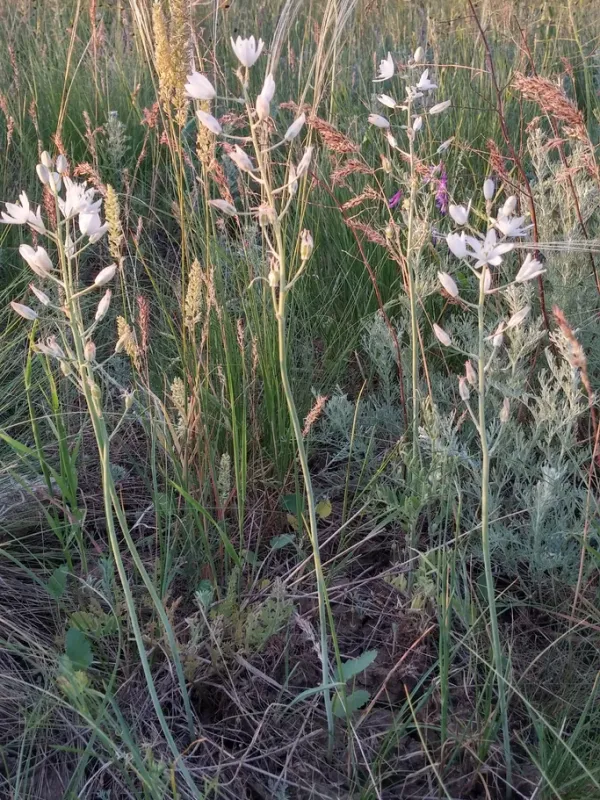
Description
Sowing dates
Propagation of Ornithogalum fischerianum is primarily achieved through the division of offsets or daughter bulbs during the plant's dormant period.
The ideal time for planting these bulbs in the open field is late summer or early autumn, allowing the roots to establish before winter temperatures.
Seed propagation is also possible, although it requires a prolonged period of stratification to break dormancy and ensure consistent germination.
Bulbs should be planted at a depth of 8–10 centimeters, ensuring that the soil is sufficiently loose to prevent rot and promote root health.
Maintaining a spacing of 15–20 centimeters between individual plants is essential for promoting optimal airflow and minimizing nutrient competition.
Growing requirements
Ornithogalum fischerianum is a perennial herbaceous bulbous plant belonging to the Asparagaceae family, known for its unique botanical structure.
This crop thrives in well-lit locations with light, fertile, and well-drained soils, as it is highly sensitive to waterlogging in the root zone.
The plant exhibits high adaptability to various soil types, but sandy loam substrates with a neutral pH level generally yield the most vigorous growth.
During the active spring growth phase, the crop requires moderate moisture, whereas it prefers relatively dry soil conditions during its summer dormancy.
Agricultural management practices involve regular weeding and cultivation of the inter-rows to ensure that young shoots receive adequate nutrients and light.
Main diseases and pests
Fusarium rot represents the primary pathological threat to the crop, especially in conditions where soil moisture is excessive during cold intervals.
Poor storage conditions often lead to the development of gray mold on the bulbs, necessitating strict sanitation protocols for harvested plant material.
Bulb mites can cause significant damage to the plant tissue, reducing overall vigor and leaving the bulbs susceptible to secondary bacterial infections.
In areas with high rodent populations, protective measures are necessary to prevent damage to dormant bulbs stored in the ground over the winter.
Integrated pest and disease management, including regular crop inspections and the removal of deformed specimens, is crucial for maintaining plant health.
Harvesting
The harvest of bulbs occurs once the foliage has completely turned yellow and died back, typically signaling the beginning of the summer dormancy.
After carefully extracting the bulbs from the soil, they must be cleaned of debris and dried in a well-ventilated, shaded area away from direct sunlight.
Storage should be maintained in a cool, dry environment with good air circulation to preserve the viability of the bulbs until the next planting cycle.
For ornamental purposes, floral spikes are harvested at the peak of bloom to ensure maximum aesthetic longevity when placed in suitable conditions.
Organizing bulbs by size after harvest allows growers to optimize future planting schemes and ensure uniform flower production throughout the season.