
Ornithogalum cuspidatum
Ornithogalum cuspidatum
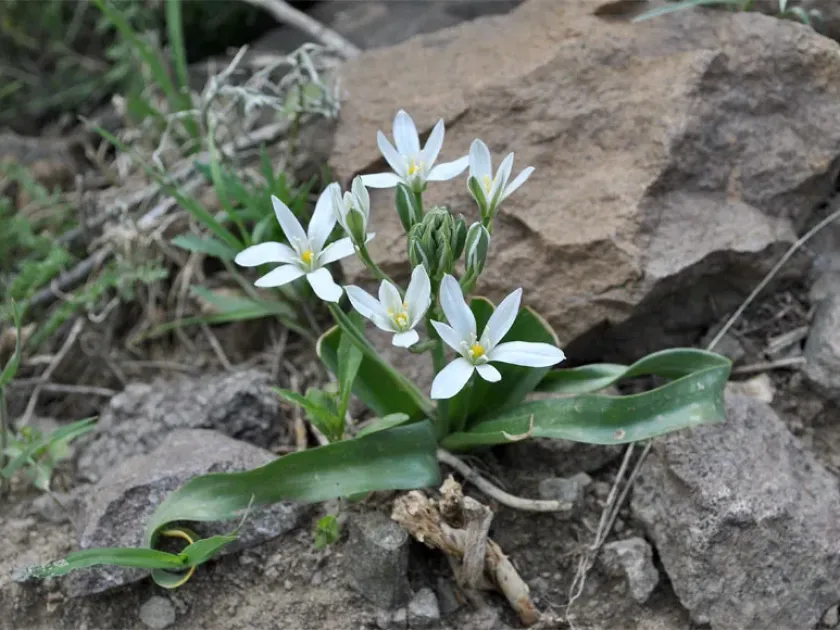
Description
Growing requirements
Ornithogalum cuspidatum is a perennial bulbous plant belonging to the Asparagaceae family. This species is native to steppe and foothill regions, exhibiting specialized physiological adaptations for surviving in seasonally dry environments.
The plant requires full sun exposure to thrive, as it is highly sensitive to shade, which impacts its development and reproductive capabilities. Providing a location with maximum daily sunlight is essential for successful growth and blooming.
Soil requirements focus on excellent drainage and a neutral to slightly alkaline pH. Heavy soils that retain excessive moisture are unsuitable, as they can cause bulb rot; therefore, incorporating sand or grit is a standard practice for creating optimal growing conditions.
Cultivation practices involve distinct watering cycles, mimicking the natural drought conditions of its native habitat during the summer months. Overwatering during the dormant phase is the most common cause of failure in domestic and commercial cultivation.
In terms of economic and horticultural use, the plant is valued for its early spring blooms and suitability for rock gardens and naturalized landscapes. Its hardiness makes it a resilient choice for temperate gardening zones.
Main diseases and pests
Fungal diseases, specifically Fusarium wilt and basal rot, represent the primary threat to this species. These pathogens thrive in waterlogged conditions and can quickly decimate bulb populations if not properly managed through drainage improvement.
Proactive management includes using fungicides during the planting stage and ensuring adequate spacing between plants to facilitate air circulation. Avoiding nitrogen-heavy fertilizers is also recommended to prevent excessive succulent growth that is prone to infection.
Pests such as the onion fly and bulb mites pose significant risks, feeding on the bulb tissues and causing irreversible structural damage. Integrated pest management strategies, including the use of targeted systemic insecticides, are necessary in high-density plantings.
Nematode infestations can lead to stunted growth and leaf distortion, which often go unnoticed until the plant's health has seriously declined. Regular inspection of the bulb base during the dormancy period is advised for early detection.
Viral infections, characterized by leaf mottling and yellow streaking, have no chemical cure. Strict hygiene measures, such as sanitizing garden tools and removing affected plants, are critical for maintaining the health of the entire collection.