
Ornithogalum concinnum
Ornithogalum concinnum
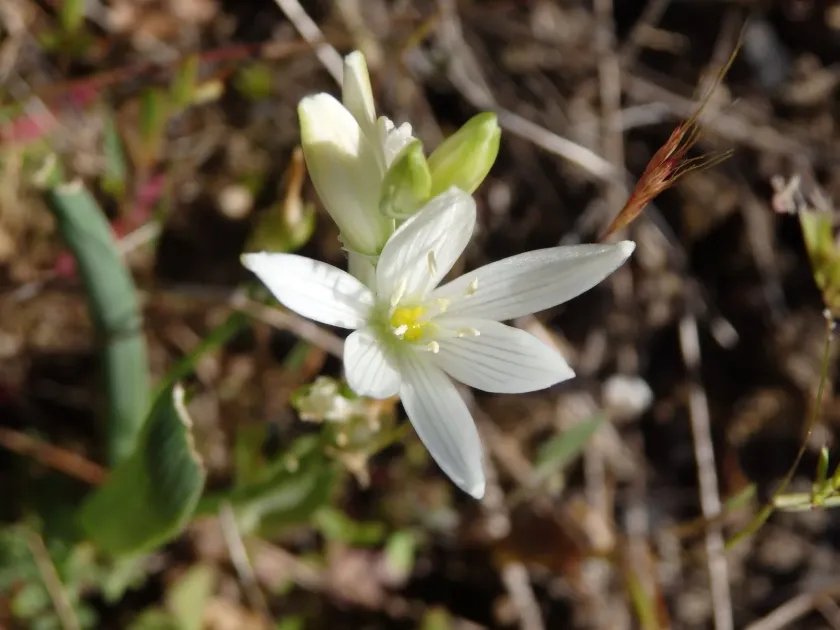
Description
Sowing dates
Planting bulbs of Ornithogalum concinnum is best performed in the autumn, approximately one month before the ground freezes. This timing allows the bulbs to establish a strong root system before the onset of dormancy during the winter months.
In regions with harsh winters, spring planting is a viable alternative once the soil temperature reaches at least 10 degrees Celsius. The planting depth should be between 8 and 12 centimeters, depending on the bulb size and soil density.
The recommended spacing between individual bulbs is 15 to 20 centimeters. Providing this space is essential to prevent overcrowding, which can otherwise lead to nutrient competition and reduce the overall vigor of the plants.
Propagation is typically handled by separating bulblets from the parent bulb after the foliage has naturally withered. This process ensures the plant has successfully stored all necessary energy for the next growing cycle.
Before sowing, it is crucial to ensure the planting area is free from competitive weeds, as young sprouts are sensitive to being shaded out during the critical initial stages of their development.
Growing requirements
Ornithogalum concinnum belongs to the Asparagaceae family and thrives in well-drained, fertile soils. The plant is highly sensitive to waterlogged conditions, which can lead to bulb rot; thus, adding sand to heavier soils is highly recommended.
The ideal soil pH is slightly alkaline to neutral. Proper soil preparation, including the incorporation of well-rotted organic matter and balanced minerals, supports robust growth and improves the overall health of the floral spikes.
The species requires a sunny location to reach its full potential. While it can tolerate partial shade, exposure to direct sunlight for the majority of the day is essential for intense flowering and sturdy stem development.
Watering should be managed consistently during the active growth period, but significantly reduced when the plant enters dormancy. Excessive moisture during the resting phase is a primary cause of fungal infections.
In colder zones, protecting the soil surface with a mulch layer of dry organic material helps maintain a more stable soil temperature, preventing damage caused by freezing and thawing cycles.
Main diseases and pests
Fungal diseases, particularly Fusarium rot, are the most significant threat to Ornithogalum concinnum, usually appearing as a consequence of poor drainage or overwatering. These infections attack the base of the bulb, often resulting in total plant loss.
Viral infections can also impact the health of the population, often showing as leaf mottling or stunted growth. These viruses are frequently spread by sap-sucking insects, emphasizing the need for strict integrated pest management.
Root mites and bulb flies are common pests that damage bulbs internally. These pests create entry wounds for secondary pathogens, turning minor damage into a major threat to the entire crop.
Preventative measures, such as treating bulbs with specialized fungicides before planting, are standard practice for maintaining a healthy and productive bulb stock.
Maintaining hygiene by regularly removing diseased plant parts and sanitizing garden tools are essential practices for limiting the spread of pathogens across the cultivation area.
Harvesting
The agricultural use of Ornithogalum concinnum is primarily decorative, catering to the floral market and landscape architecture. Harvesting for cut flowers should occur when the buds are partially open, ensuring a long vase life.
For bulb production, harvesting is performed only after the foliage has fully yellowed and dried. This period confirms that the bulb has successfully pulled all nutrients from the leaves, reaching peak dormancy.
After harvesting, bulbs must be cleaned and dried in a shaded, well-ventilated location. Removing damaged or infected scales at this stage is vital to preventing rot during the subsequent storage phase.
Storage requires cool and dry conditions, ideally between 10 and 15 degrees Celsius. Keeping the bulbs in a breathable environment, such as mesh bags or dry peat, prevents premature sprouting.
Transporting bulbs requires careful handling to avoid bruising. Mechanical damage during transport can easily lead to significant post-harvest losses due to susceptibility to fungal decay.