
Ornithogalum broteroi
Ornithogalum broteroi
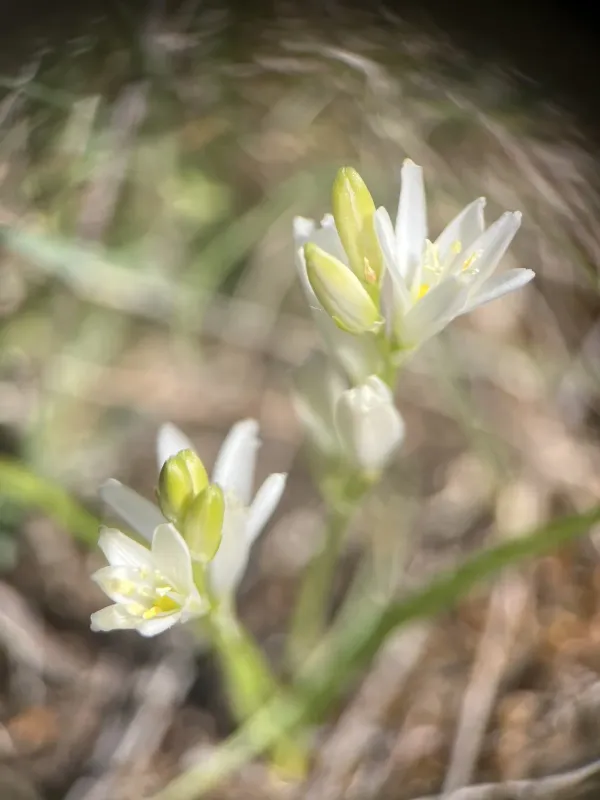
Description
Sowing dates
Planting of Ornithogalum broteroi is best performed in the autumn, typically between September and October, allowing the bulbs to establish a root system before the onset of winter dormancy. While spring planting is possible in some climates, autumn remains the ideal season for optimal development.
The bulbs should be planted at a depth of 6 to 10 centimeters, depending on the texture of the soil and the size of the bulb. Maintaining a spacing of 10 to 15 centimeters between plants is essential to ensure adequate airflow and prevent the spread of diseases.
Prior to planting, it is necessary to inspect the bulbs thoroughly. Only firm, healthy bulbs without visible signs of decay or mechanical damage should be selected for planting. Proper preparation is a fundamental step in ensuring the overall health of the garden bed.
Good soil drainage is a critical requirement for this species. If planting in heavy clay soils, incorporating coarse sand or grit into the planting holes is recommended to prevent stagnant water, which can easily cause bulb rot.
Ornithogalum broteroi belongs to the Asparagaceae family and is highly valued for its striking, star-shaped inflorescences that provide architectural interest in a variety of landscape settings.
Growing requirements
This species thrives in sunny, well-lit locations, where light intensity supports the production of robust flower spikes and vibrant foliage. Partial shade can be tolerated, though it may result in less prolific blooming.
Well-drained, fertile soil with a neutral to slightly acidic pH is optimal for healthy growth. Improving the soil structure with organic matter, such as well-rotted compost, before planting can provide the necessary nutrients for the growth cycle.
The plant requires moderate moisture during the spring growth phase. However, it is essential to minimize watering during the summer dormancy period when the plant enters its rest phase. Excessive moisture during dormancy is a leading cause of bulb failure.
In regions with harsh winters, protective mulching with organic material is advised to prevent the freezing of the bulbs. This insulation helps maintain a stable soil temperature, supporting the longevity of the plant.
A balanced mineral fertilizer applied in early spring can enhance the plant's vigor. Providing nutrients during the active growth phase encourages the development of healthy, multi-flowering stems for the current season.
Main diseases and pests
Fungal pathogens such as Fusarium and various types of rot are the most common health issues for these bulbs, typically triggered by high humidity and poor soil aeration. Early removal of infected bulbs is necessary to protect the remaining stock.
Bulb mites can inflict significant damage by feeding on the bulb tissue, which weakens the plant and serves as an entry point for secondary bacterial infections. Regular monitoring and the use of acaricides are effective management strategies.
Slugs and snails can consume foliage, causing significant cosmetic damage. Utilizing physical barriers or bait stations around the planting area can effectively mitigate the damage caused by these pests during wet weather.
Wireworms are another common soil pest that can damage the root systems and bulbs. Practicing crop rotation and thorough soil cultivation can help keep their populations under control without relying solely on chemical intervention.
Maintaining a healthy garden environment involves keeping the planting beds free of debris and ensuring sufficient plant spacing. These simple practices promote natural air movement, which naturally reduces the pressure of most common plant diseases.