
Japanese cherry
Prunus serrulata Lindl.
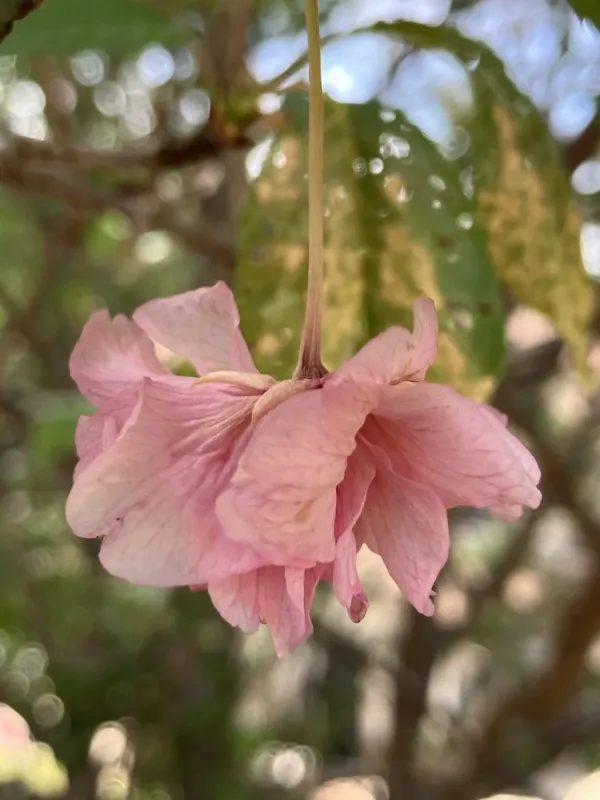
Description
Growing requirements
Prunus serrulata, commonly known as the Japanese cherry or East Asian cherry, belongs to the Rosaceae family. This deciduous tree is native to East Asia, primarily inhabiting temperate regions, which dictates its specific environmental needs in cultivation.
The plant thrives in full sunlight, which is essential for uniform crown development and maximum floral display. It requires well-drained, fertile soil with a neutral to slightly alkaline pH level to ensure proper nutrient uptake and root health.
Climate adaptation is a key factor, as the tree prefers areas with mild springs, avoiding late frosts that can damage developing buds. Proper irrigation is necessary during the establishment phase and extended dry spells to prevent drought stress.
Fertilization regimes typically focus on balanced NPK applications in early spring to support vegetative growth. Adding organic mulch around the base helps retain soil moisture and regulate temperature while suppressing weed growth near the trunk.
Pruning is usually performed after the flowering season to maintain the desired shape and remove dead or crossing branches. Careful maintenance of the branch structure prevents overcrowding and ensures adequate light penetration to the inner canopy.
Main diseases and pests
The Japanese cherry is susceptible to several fungal diseases, including blossom wilt and brown rot. Preventive measures include applying fungicides during the dormant season and ensuring proper air circulation within the tree's structure.
Pests like aphids, scale insects, and various caterpillars are common threats. Integrated pest management strategies, involving both biological controls and targeted pesticide applications, are recommended for maintaining tree vigor.
Bacterial canker is a serious concern, often manifesting as necrotic lesions on branches and stems. Management involves surgical removal of infected tissue and maintaining high hygiene standards when using pruning tools.
Root rot, often caused by Phytophthora species, is a high risk in waterlogged or poorly drained soils. Soil improvement and proper site selection prior to planting are the most effective ways to mitigate this risk.
Regular monitoring of foliage color and bark integrity allows for early detection of stressors. Maintaining tree health through balanced nutrition and proper watering practices is the best defense against environmental and biotic threats.