
Orchidantha maxillarioides
Orchidantha maxillarioides
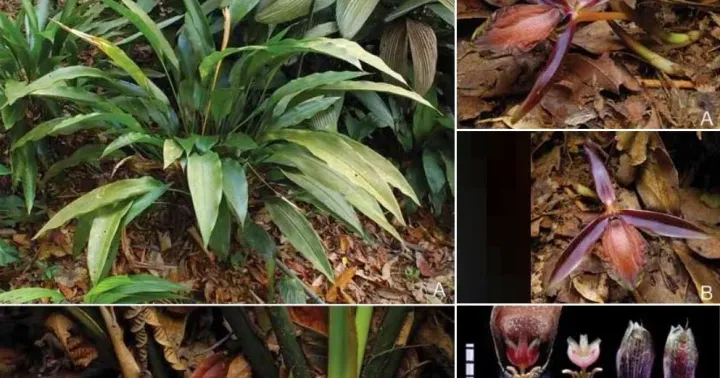
Description
Growing requirements
Orchidantha maxillarioides is a fascinating herbaceous plant belonging to the Lowiaceae family. Native to the humid rainforests of Southeast Asia, this species is highly valued by collectors for its unique, orchid-like flowers and striking vegetative growth pattern.
Botanically, it forms dense clusters of lanceolate leaves emerging from a robust rhizome system. Unlike common ornamentals, its reproductive organs have evolved specifically for pollination by local insects, resulting in a complex and asymmetrical floral structure that is rarely seen in cultivation.
The cultural requirements for this plant are demanding, focusing primarily on high humidity levels, ideally maintained between 75% and 90%. It is not suitable for dry indoor environments, necessitating the use of specialized terrariums or controlled greenhouses for long-term health.
The potting medium must be exceptionally well-draining yet capable of retaining moisture. A mix of fine orchid bark, perlite, and high-quality peat moss works best to mimic the natural floor of a tropical jungle, preventing root rot while ensuring oxygen reach.
Orchidantha maxillarioides thrives in low to medium indirect light conditions. Exposure to direct sunlight must be strictly avoided, as the leaves are prone to severe scorching, which can weaken the plant's overall vigor and resistance to pathogens.
Main diseases and pests
The most significant threat to this species is fungal leaf spot, which spreads rapidly in stagnant air conditions. Proper ventilation is critical; using small fans to create gentle airflow around the plant can significantly reduce the risk of infection.
Pests like spider mites are common if the ambient humidity drops below recommended levels. Manual cleaning of the leaf surfaces with a soft cloth and the application of neem-based oils are considered the safest methods for organic pest management in such delicate specimens.