
Opopanax
Opopanax chironium
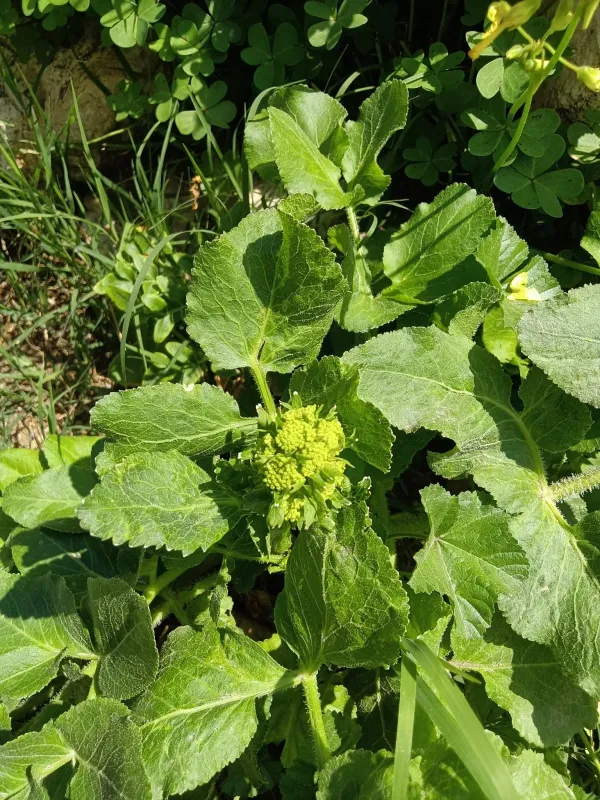
Description
Sowing dates
Opopanax chironium is a perennial herbaceous plant belonging to the Apiaceae family. Cultivation typically begins with seeds, which require stratification to improve germination rates, making late autumn the ideal sowing time in many regions.
Spring sowing is also possible, provided the seeds undergo a period of cold treatment in controlled environments beforehand. The seeds should be sown at a shallow depth of approximately 1-2 centimeters, as light exposure is often beneficial for initial sprout development.
Row spacing is a critical factor for commercial cultivation, with 60 to 70 centimeters being the recommended distance to ensure proper airflow and room for root system expansion. Germination can be slow and sporadic, often taking several weeks depending on temperature and moisture levels.
The first year of growth focuses primarily on the development of a strong taproot and a basal rosette of leaves. The plant reaches its reproductive phase and produces flowering stalks in the second or third year, which is when the plant is most suitable for resin extraction.
Professional agronomic practices involve thinning seedlings to maintain optimal stand density, which reduces inter-plant competition. Ensuring a healthy, uniform population during the establishment phase is crucial for long-term plantation productivity.
Growing requirements
The plant thrives in a Mediterranean-type climate, preferring warm, well-lit environments protected from strong, drying winds. High solar radiation is essential for the effective synthesis of aromatic compounds within the plant tissues.
Well-drained, sandy, or loamy soils are ideal for this crop, as they prevent waterlogging, which the plant is highly sensitive to. Avoiding heavy clay soils that retain moisture is necessary to prevent root rot and other fungal diseases.
Soil pH should ideally be neutral or slightly alkaline, as acidic conditions can stunt growth. Incorporating organic matter during soil preparation can significantly improve aeration and nutrient availability for the plant.
While the plant is known for its drought tolerance once established, moderate irrigation during the active spring growth phase is recommended. Water management must be precise to avoid suppressing the production of secondary metabolites in the resin.
Mulching is a beneficial practice in arid regions to maintain soil moisture consistency and protect the roots from extreme temperature fluctuations. Consistent monitoring of soil drainage is the key to maintaining a healthy plantation over several years.
Yield
The primary economic output of Opopanax is its aromatic resin, which is harvested from the roots or stems. Yield levels are significantly influenced by the maturity of the plants, with peak production usually occurring from the third year onwards.
The quantity of extracted resin depends on the specific harvesting frequency and environmental conditions during the growing season. Proper management ensures that the plant remains healthy despite the extraction process, allowing for long-term harvests.
Commercial viability is determined by the quality and purity of the resin collected. Standardized processing techniques, including careful filtration and proper drying, are essential for reaching the desired quality benchmarks for the perfume and pharmaceutical industries.
Field productivity can be optimized through drip irrigation systems, which deliver water efficiently without saturating the surrounding soil. Weed control and nutrient management play a major role in maximizing the annual yield per hectare.
Final yields are measured after the resin has undergone careful post-harvest drying and cleaning. Maintaining a consistent supply requires a structured harvesting schedule that respects the physiological needs of the crop.
Main diseases and pests
Fungal diseases, particularly powdery mildew, represent a significant threat to the crop, especially in areas with poor airflow and high humidity. Proactive monitoring is necessary to prevent widespread infection across the plantation.
Soil-borne pests such as wireworms can damage the root system, leading to wilting and reduced vigor. Proper crop rotation and soil sanitation before planting are the most effective strategies for long-term pest management.
Aphids can infest the inflorescences during the active growing season, sucking plant sap and weakening the plant. Using biological control methods is preferred to maintain the organic integrity of the medicinal product.
Nematodes present a hidden danger that requires periodic soil analysis to ensure the health of the root zone. Avoiding the use of infected seedlings is a critical preventative measure for any commercial grower.
Timely removal of symptomatic plants is vital to curb the spread of pathogens throughout the field. A strict adherence to phytosanitary standards significantly reduces the need for heavy chemical intervention.
Harvesting
The harvesting of Opopanax resin is a delicate procedure that requires specific manual techniques performed during dry, warm periods. This ensures that the resin is not contaminated by moisture and can harden properly upon collection.
Incision of the stems or roots must be executed with sanitized, sharp instruments to minimize tissue trauma and prevent the entry of decay-causing microorganisms. Only a limited number of incisions should be made per season to ensure the plant's recovery.
Once collected, the resin is sorted by quality, color, and aromatic intensity before being packed for sale. Proper handling prevents debris contamination, which would otherwise reduce the market value of the product.
Storage should occur in airtight glass or stainless steel containers located in a cool, dark place. This protects the volatile components of the resin from oxidizing or evaporating, preserving its chemical efficacy for end-users.
The collected resin serves as a critical ingredient in high-end fragrances and traditional herbal medicine preparations. Careful stewardship of the plants during the harvest ensures their productivity for many growing cycles to come.