
Oncidium schillerianum
Oncidium schillerianum Rchb. f.
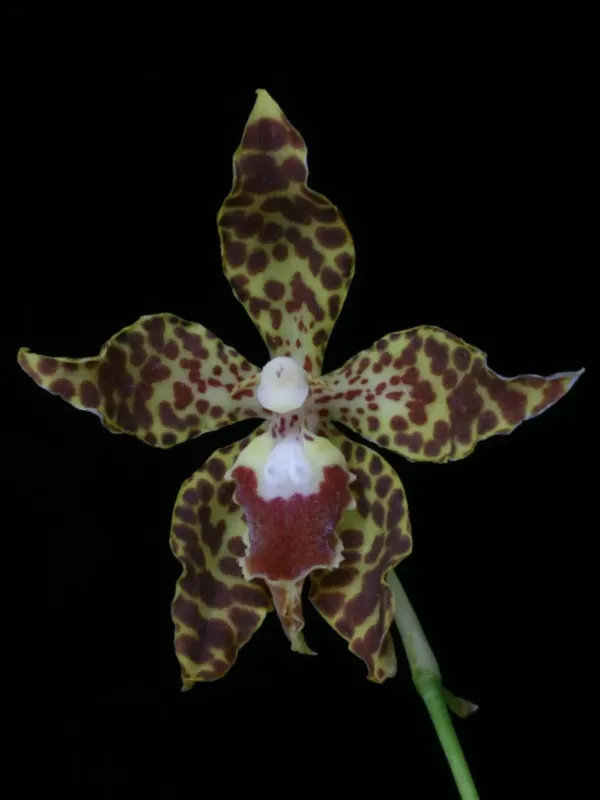
Description
Growing requirements
Oncidium schillerianum is a sophisticated epiphyte belonging to the Orchidaceae family. Its natural habitat is located in the tropical rainforests of South America, where it thrives on tree bark under dense forest canopies.
The cultivation of this species requires a stable climate with high relative humidity, ideally between 60% and 80%. Proper ventilation is essential to maintain plant health and prevent the development of physiological disorders.
Temperature management is critical; the plant requires a distinct diurnal temperature range, with daytime warmth around 22-24 degrees Celsius and cooler nights to encourage healthy metabolic activity.
The ideal growing medium consists of coarse pine bark, charcoal, and perlite, which ensures rapid drainage and adequate oxygenation for the orchid's sensitive root system, preventing substrate degradation.
This orchid is primarily cultivated for its high ornamental value in greenhouse production and private botanical collections, valued for its intricate flower structure and specific color patterns.
Main diseases and pests
The primary threats to this culture are fungal pathogens, specifically those causing root and crown rot, which proliferate in poorly ventilated or excessively damp environments.
Pests such as spider mites, mealybugs, and scale insects frequently infest these orchids, particularly when plants are grown in conditions with insufficient air circulation.
Effective management involves the use of targeted systemic insecticides and integrated pest management strategies to protect the foliage and developing flower spikes without causing phytotoxicity.
Regular sanitation of the growing environment, including the removal of dead pseudobulbs and spent media, is the most effective way to prevent the establishment of harmful pathogens.
Monitoring the pH and salinity levels of the irrigation water is essential, as the accumulation of salts can lead to root tip burn, weakening the plant's overall resistance to disease.