
Oenothera parodiana
Oenothera parodiana
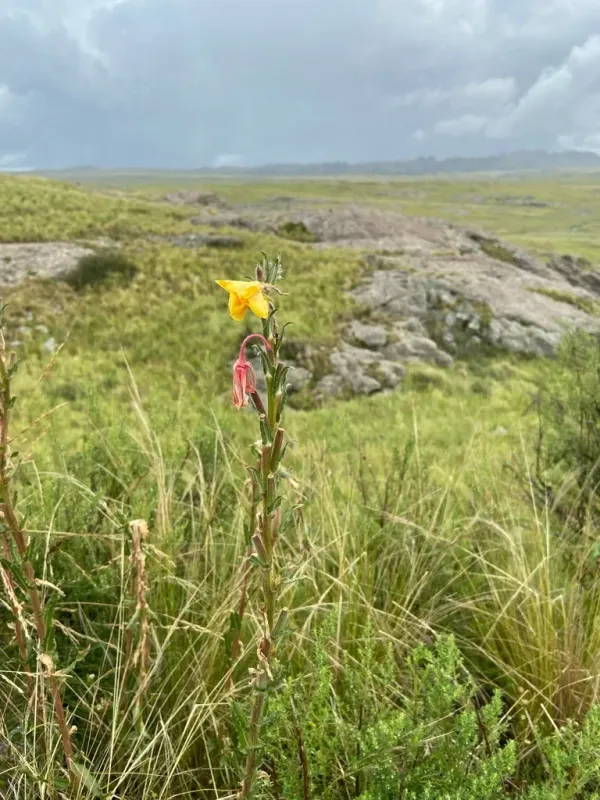
Description
Sowing dates
Oenothera parodiana belongs to the Onagraceae family and is known for its high adaptability to varying environmental conditions. Sowing is typically conducted in the spring when soil temperatures reach 10–12 degrees Celsius.
Due to the small size of the seeds, they should be sown shallowly, with a planting depth not exceeding 0.5 to 1 centimeter to ensure proper emergence.
For commercial production, row cropping is recommended with spacing between 45 and 60 centimeters, allowing sufficient room for the plant to develop a robust basal rosette.
Seedlings usually emerge within two weeks, and maintaining weed-free fields during the early stages of development is crucial for establishing a healthy crop.
Early spring planting allows the crop to take advantage of moisture reserves, which is essential for uniform germination and early vegetative growth.
Growing requirements
This crop thrives in sunny, open locations as it is highly photophilous. Lack of sunlight can lead to excessive stem elongation and reduced yield potential.
Oenothera parodiana prefers well-drained, fertile sandy or loamy soils. It performs best in soils with a neutral or slightly acidic pH, while avoiding heavy, waterlogged clays.
While the plant shows moderate drought tolerance, adequate moisture is essential during the budding and flowering phases to maximize seed development.
Proper fertilization, focusing on phosphorus and potassium during the bloom stage, is vital for high-quality oil production in the seeds.
The plant is well-adapted to temperate climates, showing good resilience against minor temperature fluctuations, provided they do not occur during critical developmental stages.
Yield
The agricultural value of Oenothera parodiana is mainly attributed to the gamma-linolenic acid content in its seeds, which is highly sought after by the pharmaceutical and cosmetic industries.
Yield capacity is directly linked to intensive farming practices, including timely irrigation and effective nutrient management throughout the growing season.
The number of seed-bearing capsules per plant is a key yield component, which can be improved through optimized plant spacing and proper crop care.
Post-harvest, seeds must be dried immediately to prevent lipid oxidation and preserve the valuable oil composition.
Economic success is often maximized when the raw harvest is processed efficiently shortly after collection to maintain product quality and market value.
Main diseases and pests
The crop is susceptible to fungal diseases such as powdery mildew, especially under high humidity conditions or when plant density is too high.
Insect pests, including various leaf-eating larvae, can cause significant damage to the plant's vegetative parts, potentially reducing its overall vigor.
Root rot remains a threat in fields with poor drainage, which can lead to plant loss and uneven crop stand establishment.
Integrated pest management, including regular monitoring and the use of preventive fungicides, is recommended to safeguard the crop from major outbreaks.
Maintaining a balanced crop rotation cycle helps mitigate the build-up of soil-borne pathogens and improves the overall sustainability of the farming system.
Harvesting
Harvesting Oenothera parodiana requires careful timing as seeds mature within capsules, which can crack and cause seed loss if left in the field too long.
Mechanical harvesting is common, using specialized equipment designed to handle small seeds and minimize losses during the thrashing process.
After collection, cleaning the seed mass to remove plant debris is a critical step to ensure quality and prevent spoilage during storage.
Storing the harvest in cool, dry, and well-ventilated conditions is essential to protect the integrity of the essential oils found within the seeds.
Efficient management of the harvest and post-harvest chain significantly impacts the final profitability and the shelf-life of the oil products derived from the crop.