
Oenothera oehlkersi
Oenothera oehlkersi
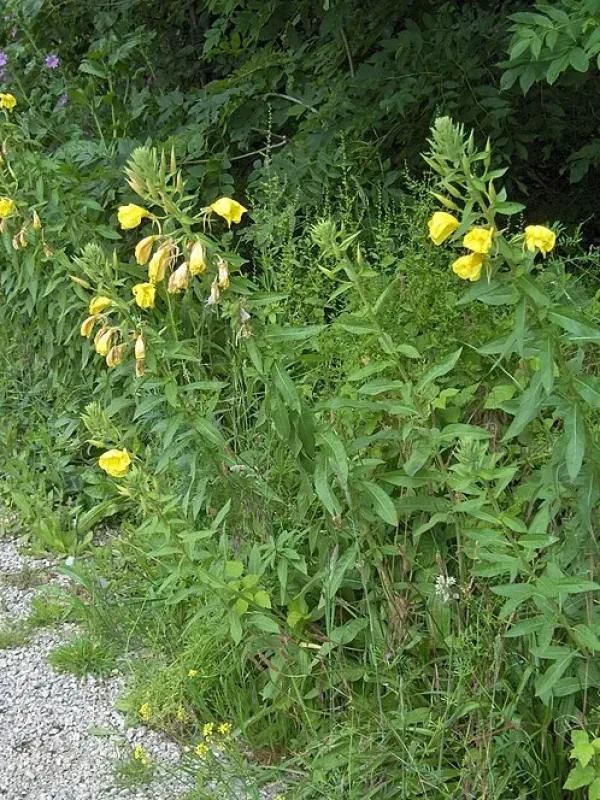
Description
Sowing dates
Oenothera oehlkersi is a representative of the Onagraceae family, known for its specific requirements regarding the timing and method of sowing.
The optimal sowing period is during the spring when soil temperatures at a depth of 5–10 cm reach approximately +10°C to +12°C.
For efficient field management, seeds should be sown in rows with spacing between 45 and 60 cm to allow for proper plant development and mechanical weeding.
Given the small size of the seeds, they should be placed at a shallow depth of about 0.5 to 1 cm, ensuring adequate seed-to-soil contact for germination.
Proper seedbed preparation is essential to achieve a uniform emergence rate, which directly impacts the potential yield of the crop during the season.
Growing requirements
This crop thrives in sunny environments, requiring full exposure to light to maximize its biomass production and flower development.
Oenothera oehlkersi prefers light, sandy, or loamy soils that possess excellent drainage, as the plant is highly sensitive to waterlogging.
The species is recognized for its significant drought tolerance, allowing it to adapt well to various climates without the need for intensive irrigation systems.
Maintaining a neutral soil pH is ideal for nutrient uptake, and the crop generally performs well without heavy reliance on synthetic fertilizers.
Effective management requires frequent cultivation between rows to ensure soil aeration and to keep weed populations at manageable levels throughout the growth period.
Main diseases and pests
The primary agricultural threat to this plant is powdery mildew, which often develops during periods of high humidity and restricted air circulation.
Aphids and various foliage-feeding insects can pose a challenge to plant vigor and should be monitored throughout the vegetative cycle.
Root rots remain a significant risk factor, particularly in fields where soil drainage is inadequate or water runoff is restricted during rainy seasons.
Implementing a balanced crop rotation system is the most effective strategy to mitigate soil-borne diseases and pest buildup in the soil.
Regular monitoring and the use of integrated pest management (IPM) practices help to protect the crop while maintaining the quality of the harvested produce.